Learn How to Travel During Monsoon in India with These 5 Ultimate Monsoon Travel Hacks

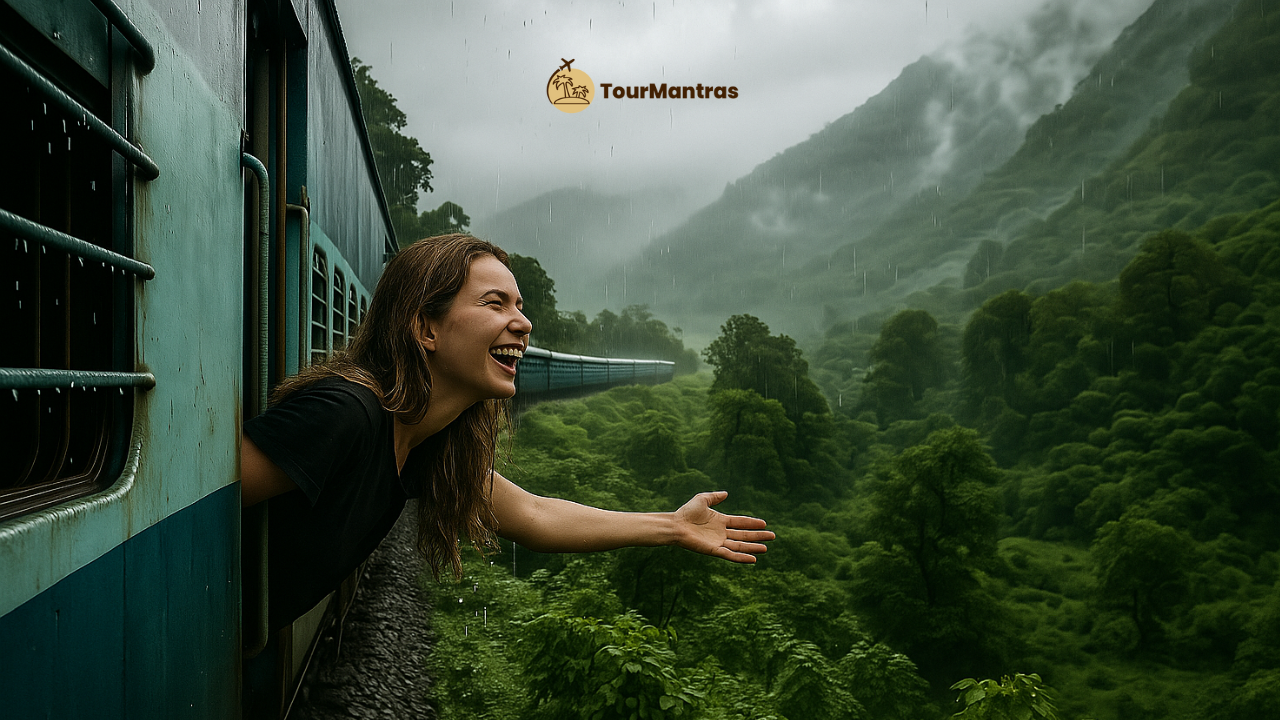
“Monsoon” often conjures images of torrential downpours and long-awaited travel plans washed away. But if you adopt caution with ultimate monsoon travel hacks from June to September, you can enjoy the lush, vibrant paradise across popular tourist spots in India. But before that, it’s important to know how to travel during the monsoon in India to enjoy the trip to the fullest, without any hassle.
Travelling during the monsoon isn’t about dodging the rain; it’s about embracing it. With the right planning and a spirit of adventure, a monsoon getaway can be memorable. Through this guide, you will know how to travel during the monsoon in India with family or friends, and it will help you travel safely. These 5 ultimate monsoon travel hacks range from choosing the perfect destination to packing the right gear and staying safe on the go.
Monsoon Travel in India at a Glance
- Scenic landscapes, mist-covered mountains, waterfalls, and refreshing greenery during the rainy season
- Perfect time for nature lovers, photographers, couples, and offbeat travellers
- The best months for monsoon travel in India are from June to September
- Popular monsoon destinations include Kerala, Meghalaya, Coorg, Munnar, Lonavala, and the Western Ghats
- Budget-friendly travel season with lower hotel prices and fewer tourist crowds
- Essential packing items such as a raincoat, waterproof shoes, an umbrella, quick-dry clothes, and zip-lock bags
- Importance of checking weather updates before planning trips to hilly or coastal regions
- Flexible travel plans and backup itineraries for unexpected weather changes and transport delays
- Precautions against landslides, flooding, slippery roads, and waterlogging in some destinations
- Travel essentials like medicines, insect repellent, power bank, flashlight, and offline maps for safer journeys
- Safer food and drinking water practices during monsoon trips across India
- Ideal season for road trips, waterfall visits, tea garden stays, and eco-tourism experiences
1) Thinking About How to Travel During Monsoon in India? Pick the Right Tourist Spot During Monsoon in India
India’s vast and varied geography means the monsoon behaves differently across regions. The key to a successful trip is choosing your destination wisely. You must keep in mind the weather conditions at different places during the rainy season in India, despite the recommendations below.
Best Places to Visit During Monsoon in India: A Bucket List for Travelling During the Monsoon in India.
While some areas are best avoided, these are the best monsoon destinations that offer the most picturesque views during the rains, ensuring perfect monsoon travel in India. Here is a brief bucket list for travelling in India during the monsoon.
Monsoon Travel in Northern India:
- If you want to escape the rain entirely, head north to Ladakh during the monsoon in India. Nestled in a rain shadow created by the Himalayan ranges, this “cold desert” experiences very little precipitation. Between June and August, you’ll find breathtaking mountain landscapes, clear blue skies, moderately warm days, and pleasantly cool nights, making it an ideal time for hiking and exploration.
- Besides, you can explore Uttarakhand and Himachal during the monsoon in India as well.
Monsoon Travel in Rajasthan:
- The arid lands of Rajasthan receive minimal rainfall, making it an excellent monsoon choice. The clouds provide a welcome respite from the usual heat in the southern parts of the state. Travel to Udaipur and Mount Abu, which become surprisingly green and lively. This is the off-season, so you can often book stunning boutique and heritage hotels at a fraction of their peak-season prices.
Monsoon Travel in Western Ghats:
- While coastal areas are best avoided, the inland hill stations of the South are a dream. Places like Munnar, Wayanad, and Thekkady in Kerala, and Ooty in Tamil Nadu offer fresh, lush greenery, with swollen rivers and cascading waterfalls.
- Other than that, you should also consider monsoon travel in Maharashtra. Popular spots include Mahabaleshwar, Malshej Ghat (known for flamingo sighting and dramatic clouds), and Lonavala.
- Also, Goa is the best place to visit for bikini lovers! Don’t miss the spectacular Dudhsagar Waterfall in Goa, which is at its most powerful during this season.
Monsoon Travel in Konkan:
- This is another option as your favourite monsoon travel destination in Western India. You can explore lush green travel spots like Chiplun, Amboli, and Dapoli.
- If you like to explore historical sites, palaces, and forts, there are options as well. Check out the fog-covered forts like Sindhudurg and Murud-Janjira.
- Don’t miss out on testing taste buds with local Konkani cuisine
Monsoon Travel in Hampi:
- The ancient ruins of Hampi in Karnataka are also worth a visit, offering a dramatic landscape under moody monsoon skies.
Monsoon Travel Destinations in North-East India:
- Other than that, you may explore offbeat monsoon destinations in India like Ziro in Arunachal Pradesh or Sohra/Mawsynram waterfalls of Meghalaya.
Tourist Spots in West Bengal During Rainy Season:
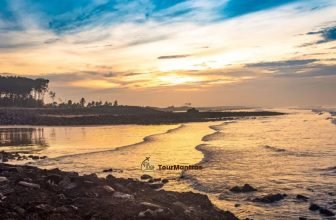
- You may also consider monsoon travel in West Bengal if you want to explore eastern India. You can plan out sea beach trips in Bengal. Check out Mandarmani, Digha, and Mousuni Island.
- Explore the mountain holiday spots in Bengal. Check out Darjeeling, Mirik or Rimbik, options are plenty.
Which Places to Avoid During Monsoon Season in India
This is a very important factor if you want to know how to travel during the monsoon in India with family or friends.
- Coastal Regions (Goa & Kerala): Avoid the beaches. Heavy rains and strong currents make swimming dangerous, and most beach shacks and resorts close down from April to September.
- Himalayan Foothills: From June to August, areas such as Rishikesh, Dharamsala, Shimla, Sikkim, and Darjeeling experience heavy rainfall, which increases the risk of landslides. Trekking is often impossible, and you may spend most of your time indoors.
- Flood-Prone Cities: Major cities can have subpar drainage systems, leading to waterlogging and traffic chaos during heavy downpours.
2) Is Good Planning Required During Monsoon Travel in India?
A little planning goes a long way in ensuring your monsoon travel in India is smooth and safe. Planning is thus an important part of our article about how to travel during the monsoon in India.
- Become a Weather Watcher: Before you set out, especially on a road trip, check the weather forecast and road conditions. Mountain roads can become slippery, visibility can drop, and the risk of landslides is real. A simple check can be the difference between a safe journey and a risky one.
- Embrace Flexibility: The monsoon is unpredictable. Don’t pack your itinerary so tightly that a single delay throws everything off. Build in buffer time to deal with potential transport delays or a sudden downpour. It’s better to go with the flow than to fight against the flood.
- Book Smart: Opt for hotels with flexible cancellation or rescheduling policies. If you’re flying, keep an eye on the airline’s website for updates on delays or cancellations, which can be common due to heavy rain and fog.
3) Monsoon Travel Packing Tips India
Packing correctly is non-negotiable for a comfortable monsoon journey. Get monsoon travel outfit ideas below:
Clothing & Footwear
- Fabric is Key: If you’re thinking what to wear for monsoon travel in India, first and foremost, ditch the heavy cotton and leather. Pick lightweight, synthetic fabrics like nylon and polyester that dry quickly and won’t weigh you down when wet.
- Layer Up: Carry a thin and breathable rain jacket during your monsoon travel in India. Always pack an extra set of clothes in your daypack, so you can change out of wet garments quickly.
- The Right Footwear: This is crucial. Flip-flops are a poor choice as they splash mud onto your legs and offer no grip. Invest in good-quality rubber sandals or floaters with a sturdy back strap. Gum boots are an option, but they can be warm and bulky to carry.
You should consider using trusted clothing brands for travelling during the monsoon in India, or check online on Myntra or Meesho for clothes designed for the monsoon.
Weatherproofing Your Gear During Monsoon
- Waterproof Your Luggage: A waterproof backpack is a great investment. For extra protection, use a rain cover over your bag.
- Ziplocks are Your Best Friend: Protect your valuables. Keep your mobile phone, charger, power bank, wallet, and important documents like your passport and tickets inside sealed ziplock bags. Please carry top-rated waterproof luggage brands for monsoon travel in India. It’s a simple step you’ll be thankful for later.
- Absorbent Towel: Pack a small, quick-drying travel towel. It’s perfect for drying off after an unexpected shower and helps prevent catching a cold.
4) Health & Utility Kits Required While Travelling During Monsoon in India
Carry your health kit or first-aid box while travelling in India during the rainy season.
- First-Aid and Medication: Carry a basic first-aid kit with antiseptic, bandages, and any personal medications during your trip in the monsoons. The monsoon is also flu season, so including medication for common colds and fever is wise.
- Mosquito Protection: With rain comes mosquitoes. The risk of dengue and malaria is higher during this season. Carry a powerful mosquito repellent spray and consider packing a mosquito net if you’re visiting rural areas during the monsoon.
- Power & Light: Electricity cuts can happen. Always carry a fully charged power bank and a flashlight. A fanny pack is great for keeping your phone and these essentials within easy reach.
- For Road Trips: India’s roads are notorious for potholes, which worsen in the rain. If you’re driving, a portable car tyre inflator and a spare tyre are indispensable during a road trip in the monsoons.
This is how to travel during the monsoon in India with family or friends.
5) Staying Safe on the Move While Travelling During Monsoon in India
Once you’re on your journey, a few safety precautions will ensure your trip remains enjoyable.
- Navigate Smartly: Use Google Maps and tune into local news channels to stay updated on road closures, fallen trees, or flooded areas.
- Avoid Puddles: Never walk or drive through a large puddle of standing water. You have no idea how deep it is or what lies beneath, from open manholes to sharp debris.
- Drive with Caution: If you must drive in heavy rain, reduce your speed, maintain a safe distance from other vehicles, and use your headlights for better visibility. Avoid stopping on a highway, as reduced visibility increases the risk of being hit. If you need to stop or help someone, pull over to the side safely and call local authorities for assistance.
- Keep Emergency Contacts Handy: Save the numbers of local authorities, emergency services, and your hotel in your phone.
Monsoon vs Summer vs Winter Travel in India
| Aspect | 🌧️ Monsoon Travel (Jun-Sep) | ☀️ Summer Travel (Mar-May) | ❄️ Winter Travel (Oct-Feb) |
|---|---|---|---|
| USPs |
• Lush green landscapes • Fewer tourists = affordable rates • Waterfalls at peak • Budget-friendly • Romantic vibe • Photography goldmine |
• Clear skies & visibility • Desert safaris possible • Ideal beach season • Water sports friendly • Peak adventure season • Sunny days |
• Perfect weather • Coolest temperatures • Festival season • Clearest skies • Peak tourism • Best trekking season |
| Weather Conditions |
• 15-25°C (cooler regions) • 20-30°C (coastal) • 80-90% humidity • Heavy rainfall (900-2000mm) • Occasional flooding • Short bursts of sun |
• 30-45°C daytime • 15-25°C nights • Very low humidity • Clear skies (95%+) • Dry conditions • Extreme heat in plains |
• 5-20°C (North India) • 15-30°C (South India) • Low humidity (30-40%) • Occasional fog (North) • Clear, sunny days • Dry season peak |
| Things to Do |
• Trekking (lush trails) • Waterfall visits • Camping & hikes • White water rafting • Wildlife spotting • Photography tours • Local experiences • Homestays in villages |
• Desert safaris (Rajasthan) • Beach activities • Water sports (parasailing, diving) • Hot air ballooning • Adventure sports • Historical site visits • Camel trekking |
• Temple visits • Long treks (Himalayas) • Camping & bonfire • Desert camping • Houseboat cruises • Festival participation • Bird watching • Photography tours |
| Things to Avoid |
• High-altitude treks • Landslide zones • Unpaved roads • Night travel • Flash flood areas • Water-based activities (rivers) • Open tents in hills |
• Midday outdoor activities • Plains regions (too hot) • Dehydration-prone areas • Dark clothing • Crowded markets (afternoon) • Long drives without AC • Salt pans • Metal/steel objects (heat) |
• Pre-dawn treks (fog in North) • Coastal areas early morning • Extreme altitude (avalanche risk) • Desert at night (too cold) • Book late (high demand) • Overnight trains (booked out) |
| Packing Essentials |
• Waterproof bag • Rain jacket • Umbrella • Quick-dry clothes • Waterproof shoes • Medications (cold, fever) • Insect repellent • Swimwear • Plastic covers for camera |
• Light cotton clothes • Sun protection (SPF 50+) • Hat & sunglasses • Light scarf • Comfortable walking shoes • Dehydration salts • Cooling towels • Loose fitting clothes • Sunscreen |
• Layers (fleece, jacket) • Warm sweater • Thermals • Closed shoes • Warm cap & gloves • Moisturizer • Shawl/scarf • Water bottles • Sunscreen |
| Budget (Per Person/Night) |
₹2,000-4,000 (~$25-48) • Accommodation: ₹800-1,500 • Meals: ₹400-800 • Activities: ₹400-600 • Transport: ₹400-1,000 |
₹3,000-6,000 (~$36-72) • Accommodation: ₹1,200-2,000 • Meals: ₹600-1,000 • Activities: ₹600-1,500 • Transport: ₹600-1,500 |
₹4,000-8,000 (~$48-96) • Accommodation: ₹1,500-3,000 • Meals: ₹700-1,200 • Activities: ₹800-2,000 • Transport: ₹500-1,800 |
| Budget Factors |
• Lowest accommodation rates • Hotel discounts (40-60%) • Activity packages cheaper • Flight prices lower |
• Peak pricing (20-30% higher) • Early booking needed • Premium on water sports • Resort surcharges |
• Highest rates (peak season) • Advance booking (6+ weeks) • Festival premiums • Limited availability |
| Best Destinations |
• Kerala (backwaters) • Western Ghats (Himachal) • Meghalaya (Cherrapunji) • Konkan Coast (Goa) • Northeast India • Coorg • Darjeeling • Nilgiris |
• Rajasthan (desert) • Jaisalmer • Bikaner • Goa (beaches) • Andaman & Nicobar • Leh-Ladakh (Jun only) • Jaipur • Mount Abu |
• Kashmir • Himachal Pradesh • Uttarakhand • Kerala (backwaters) • Rajasthan • Goa • Tamil Nadu • North India |
| Ideal Duration | 4-7 days | 5-10 days | 7-14 days |
| Best For |
• Budget travelers • Off-season explorers • Couples • Photographers • Nature lovers • Introverts (fewer crowds) |
• Adventure seekers • Families (school holidays) • Water sports enthusiasts • Desert lovers • Adrenaline junkies |
• Comfort seekers • Large groups • Trekkers • Festival goers • Honeymooners • Health-conscious travelers |
| How to Plan |
3-4 weeks before: • Book monsoon-safe destinations • Check landslide alerts • Pre-book homestays • Plan indoor activities backup • Buy waterproof gear Travel Day: • Travel early morning • Avoid night drives • Check road conditions |
6-8 weeks before: • Book flights/trains early • Reserve AC accommodations • Plan water sports in advance • Book desert safaris • Finalize activity packages Travel Day: • Start journey early • Carry extra water • Wear light colors |
8-12 weeks before: • Book flights (high demand) • Reserve hotels ASAP • Plan treks with guides • Register for festivals • Book special experiences Travel Day: • Carry warm clothes • Layer up • Start trek early |
| Transportation Costs |
• Train: ₹500-1,500 • Flights: ₹3,000-6,000 • Local: ₹200-500/day • Taxis: ₹15-30/km |
• Train: ₹800-2,000 • Flights: ₹4,000-8,000 • Local: ₹250-600/day • Taxis: ₹20-35/km |
• Train: ₹1,000-2,500 • Flights: ₹5,000-10,000 • Local: ₹200-400/day • Taxis: ₹20-30/km |
| Health Precautions |
• Waterborne diseases • Fungal infections • Malaria risk (some areas) • Respiratory issues • Joint pain Prevention: Get vaccinations, drink purified water |
• Heat stroke • Dehydration • Sunburn • Diarrhea Prevention: Drink 3-4L water daily, take salt tablets |
• Common cold/flu • Altitude sickness (Himalaya) • Dry skin Prevention: Carry medications, warm clothes, moisturize |
| Crowd Level |
Low-Medium (30% occupancy) • Fewer tourists • Authentic experiences • Discounts available |
Very High (80%+ occupancy) • Crowded attractions • Pre-booking essential • Higher prices |
Peak High (90%+ occupancy) • Very crowded • Book 2+ months ahead • Premium pricing |
| Photography Quality |
Rating: 4/5 • Moody skies • Lush greens • Misty landscapes • Golden hour magic |
Rating: 3/5 • Clear blue skies • Golden light • Desert colors • High contrast |
Rating: 5/5 • Clearest skies • Perfect lighting • Misty mornings • Festival colors |
| Pros Summary |
• Cheapest option • Lush landscapes • Fewer crowds • Authentic local experiences |
• Clear weather • Water activities • Best visibility • Adventure sports |
• Perfect weather • Best trekking • Festivals & culture • Clear skies |
| Cons Summary |
• Heavy rains • Road closures • Landslide risk • Waterborne diseases |
• Extreme heat • High prices • Crowded • Dehydration risk |
• Most expensive • Peak crowds • Advance booking needed • Cold nights |
Final Words on How to Travel During the Indian Monsoon
Monsoon travel in India offers a unique advantage: the chance to slow down. With fewer tourists, you can connect more deeply with locals and experience the country’s authentic rhythm. If a heavy shower keeps you indoors, embrace it the Indian way: find a cosy spot, order a hot cup of masala chai, pick up a good book, or watch a classic Bollywood film. But monsoons in India can be life-threatening as well. So, this blog is on how to travel during the monsoon in India, and surely serves you well.
The beauty of the monsoon lies not in avoiding the rain, but in the fact that prevention is better than a cure! For more such valuable information, please follow Tourmantras.
People Also Ask For
1) Is it safe to travel in India during the rainy season?
Yes, travelling in India during the monsoon season is safe if you plan smartly, avoid landslide-prone areas, and check daily weather forecasts before heading out.
2) What are the best places to visit in India during the monsoon for nature lovers?
If you are wondering “Where to visit in India during monsoon?”, here are the top monsoon destinations for nature lovers in India. You may consider monsoon travel in Kerala; monsoon travel in the Western Ghats (monsoon travel in Maharashtra, monsoon travel in Gujarat); monsoon travel destinations in North India; monsoon season travel in Konkan; monsoon travel destinations in Odisha; monsoon travel in Bengal; monsoon travel in Northeast India; etc. However, stay cautious
3) What should I pack for a monsoon trip to India?
For monsoon travel in India, pack a lightweight raincoat, waterproof bags, quick-dry clothing, slip-resistant shoes, mosquito repellent, and a compact umbrella.
4) Can heavy rains in India affect my travel plans during the monsoon?
Yes, heavy monsoon rains in India can lead to flight delays, train cancellations, or roadblocks, especially in hilly regions. Always have an alternate itinerary ready.
5) How do I stay healthy while travelling across India in the monsoon season?
To stay healthy during monsoon travel in India, drink bottled water, eat at clean restaurants, avoid getting drenched, carry basic medicines, and keep your clothes and gear dry.
6) Which are the monsoon months in India?
The duration of the monsoon in India is 4-5 months. It starts from June and lasts till September. Sometimes it stretches to October (sparsely).
7) What is a monsoon travel itinerary in India with family or friends?
A monsoon itinerary in India focuses on lush, rain-washed landscapes like Kerala’s backwaters, the dramatic waterfalls of Meghalaya, or the mist-covered hills of the Western Ghats. While destinations like Udaipur offer royal charm and Ladakh provides a dry escape, essential prep includes packing waterproof gear and staying flexible to accommodate sudden weather changes.
The Chief Editor of TourMantras is a digital marketing professional, but also a travel enthusiast at the same time. He loves researching the latest tourist destinations in India or abroad and visiting them in person when possible. After that, he loves posting them on our website just to satisfy his passion and provide accurate information to travellers.