
Sundarban Trip from Kolkata: Things to See in Sundarban Mangroves, Cost, and More

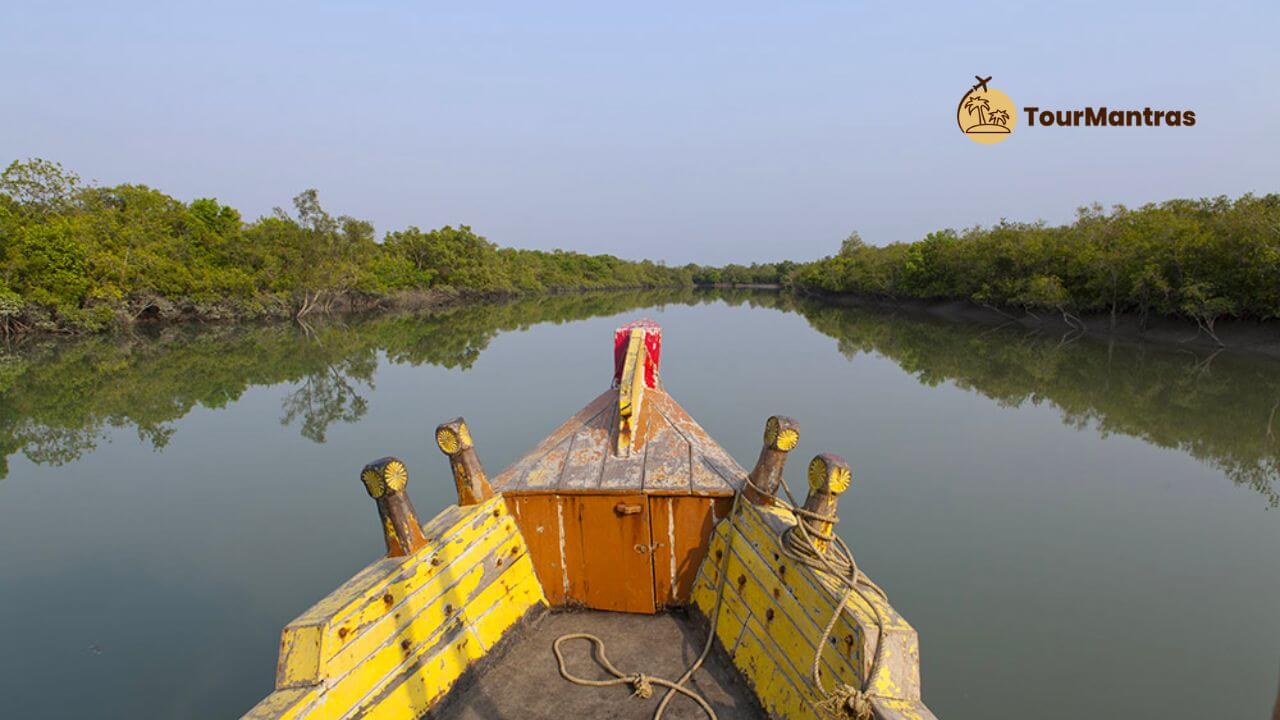
Learning every detail about your Sundarbans trip from Kolkata or any other city is very important. So, before booking a Sundarban tour package from Kolkata through any travel booking website in India, read this blog first.
The Sundarbans is a captivating mangrove region nestled in the southwestern part of Bangladesh and the eastern edge of India in West Bengal. As a result, a Sundarban trip from Kolkata becomes a must-visit place for every travel enthusiast’s bucket list.
Whether you’re a wildlife enthusiast hoping to catch a glimpse of a Bengal tiger or simply someone who wants to drift through ancient waterways with nothing but bird calls overhead, the Sundarbans delivers. Here’s everything you need to know before you go.
At a Glance: Sundarban Trip from Kolkata
- Starting Point: Kolkata (via Godkhali or Canning)
- Ideal Duration: 2 nights, 3 days
- Best Time to Visit: November to February
- Top Attraction: Bengal tiger sightings, mangrove boat safari
- Approx. Cost: INR 4,000–8,000 per person (standard trip)
- Permit Required: Yes, the Forest Department permits are mandatory
- UNESCO Status: World Heritage Site
What Makes the Sundarbans Unlike Anywhere Else

Straddling the border of India and Bangladesh, the Sundarbans is the world’s largest mangrove forest and a UNESCO World Heritage Site with a sprawling, waterlogged delta shaped by the combined outflow of the Ganga, Brahmaputra and Meghna rivers. The Indian portion sits in West Bengal’s South 24 Parganas district, and it’s here that most travellers from Kolkata begin their journey.
What sets the Sundarbans apart isn’t just the tigers, though that’s usually the headline. It’s the feeling of navigating somewhere that doesn’t quite follow the rules of ordinary nature. Trees grow upside down, essentially — their roots arching out of the mud like legs. Tides rearrange the geography twice a day. The forest is alive in an almost unsettling way, and that’s precisely the point.
What to See During the Sundarban Trip from Kolkata
Sundarban mangroves are one of the best places to visit in West Bengal. During your Sundarban Trips, you can do and see the following:
- Royal Bengal Tigers: The Sundarbans are home to the largest population of Bengal tigers, and a visit here offers a rare opportunity to catch a glimpse of these majestic creatures in their natural habitat. The best times for tiger sightings are early mornings and late afternoons when they are most active.
- Sundarban Mangrove Forests: This sprawling delta is renowned for hosting the world’s largest mangrove forest. The intricate network of mangrove trees with their aerial roots creates an ethereal landscape that is best explored by a boat tour through the winding waterways.
- Wildlife Beyond the Tiger: Beyond the Bengal tiger, the Sundarbans boast a wealth of wildlife. Keep your eyes peeled for saltwater crocodiles, spotted deer, wild boar, monkeys and a variety of bird species. Birdwatchers will be enthralled by the chance to spot over 300 avian species, including the endangered masked finfoot.
- Sundarbans Wildlife Safari: For a deeper foray into the heart of the Sundarbans, consider embarking on a wildlife safari. These safaris are typically conducted in small boats, accompanied by vastly experienced guides, certified by the West Bengal Tourism Department, who enhance your chances of encountering the region’s wildlife.
- Sajnekhali Wildlife Sanctuary: A visit to the Sajnekhali Wildlife Sanctuary is a must. It houses an interpretation centre that provides valuable insights into the flora and fauna of the region. The watchtower at the sanctuary offers panoramic views of the surrounding forests.
- Dobanki Canopy Walk: Another noteworthy destination, Dobanki features a captivating canopy walkway that grants you a unique perspective of the mangroves and their inhabitants. As you traverse the elevated walkway through the treetops, you’ll be treated to stunning vistas.
- Bonbibi Temple: The Bonbibi Temple stands as a cultural gem within the Sundarbans. It is dedicated to the goddess of the forest and serves as a place of reverence for locals and visitors alike. Bonbibi is worshipped equally by both Hindu and Muslim communities. The temple’s architecture is a testament to the profound connection between the indigenous communities and the natural world.
What Things to See Inside the Sundarban Core Area
- Netidhopani: This area is steeped in myth and legend and is known for its serene and mystical atmosphere. Key attractions include the Netidhopani Watchtower and the Legend of Banbibi. From the Netidhopani Watchtower, you can enjoy breathtaking views of the Sundarbans. It’s also a place of historical significance, with ancient temples nearby. Netidhopani is also associated with the legend of Bonbibi, the goddess of the forest. Visitors often pay their respects at the temple dedicated to her.
- Kumirmari: Located on Sagar Island within the Sundarbans Core Area, Kumirmari is known for its pristine natural beauty. Things to see and do here include Mudflats and estuaries. Explore the mudflats and estuaries, which are essential habitats for various wildlife species, including crabs and fish. Kumirmari is a crucial nesting site for Olive Ridley turtles. If you visit during the nesting season, you might witness the incredible sight of turtle hatchlings making their way to the sea.
- Harikhali: Harikhali is one of the many picturesque villages located within the Sundarbans region, which spans across both Bangladesh and India. It is situated in the Indian part of the Sundarbans, in the state of West Bengal. Major attractions are deer, fishing cats, monitor lizards, saltwater crocodiles, etc.
- Bonnie Camp: This place, during your Sundarban trip from Kolkata, is situated on Kalash Island, which is part of the Sundarban’s core area. Kalash Island is located on the banks of the Bay of Bengal and boasts the Kalash beach. Deer, crocodiles, and tigers are regular sightings. But to visit this camp, one will need the required permit and must have a guide to assist during the trip due to the threat of tigers.
Therefore, you may consider Sundarban as one of the offbeat places to visit near Kolkata.
Suggested 2-Night, 3-Day Sundarban Itinerary from Kolkata
2 days Sundarban Itinerary from Kolkata or a 3-day itinerary is best. This is the most common trip duration and comfortably covers the highlights without feeling rushed.
Day 1: Kolkata → Godkhali → Sajnekhali
Depart Kolkata early (ideally by 6:00–7:00 AM) and drive or take a train towards Godkhali. Board a ferry to Gosaba Island, then transfer to your houseboat or launch vessel. Head to Sajnekhali Wildlife Sanctuary in the afternoon — visit the interpretation centre, the crocodile enclosure, and the watchtower. Sundowner on the boat as you moor for the night in the river.
Day 2: Sudhanyakhali → Dobanki → Netidhopani (Core Area, if permitted)
Early morning, enjoy a boat safari towards Sudhanyakhali watchtower. This is the prime tiger sighting time, so be up and quiet by 5:30 AM. Continue to Dobanki for the canopy walk in the late morning. If your permit covers the core area, sail further into the delta and visit Netidhopani in the afternoon. Overnight on the houseboat.
Day 3: Bonbibi Temple → Return to Kolkata
Morning visit to the Bonbibi Temple, followed by a final bird-watching stretch along the waterways before heading back to Godkhali Ghat. Expect to reach Kolkata by early evening.
Eco-Tourism in the Sundarbans
Yes, the Sundarbans is one of India’s most ecologically rich regions. You can explore a wide variety of flora and fauna there. One of our content writers explored the Sundarbans delta a few days back. He said that when you venture into this nature’s marvel, pollution is zero. You can literally see the stars and count them during the night.
The hotels and lodges in Sundarban are set amidst nature. This further enhances your eco-tourism experience in the Sundarbans. The Forest Department of West Bengal ensures ecological standards through the following ways:
- Visitor numbers in the core area are capped.
- Plastic is prohibited in many zones.
- Noise restrictions apply during safaris.
- Reputable operators work within these guidelines and often contribute a portion of their fees to local conservation and community initiatives.
Things to Do While Planning for an Eco-Trip to the Sundarban Delta
- When planning your trip, look for operators who employ local guides — many of whom are former forest workers or fisherfolk with an intimate knowledge of the delta.
- It’s also worth knowing that the honey collectors of the Sundarbans, known as mawalis, have coexisted with the forest for centuries.
- Some tour operators offer village visits that connect you with these communities, which adds a layer to the trip that purely wildlife-focused itineraries miss.
- One thing to keep in mind: the Sundarbans is not a park where animals perform for visitors. Tiger sightings, dolphin appearances, crocodile encounters — none of these is scripted. The unpredictability is the experience.
What is the Best Time to Travel to the Sundarban Mangrove?
Selecting the right time for your Sundarban trip is critical to ensuring an unforgettable experience. The climate and conditions here exhibit significant variation throughout the year.
1) Sundarban Trip During Winter (November to February):
- Weather: Winters offer mild and pleasant weather conditions, making it the prime season for exploration.
- Wildlife: Wildlife sightings are more frequent during these months due to the comfortable temperatures.
- Boat Tours: The calm waters during this season ensure a comfortable and enjoyable boat tour experience.
2) Summer (March to June):
- Weather: Summers in the Sundarbans can be scorching, with high temperatures and humidity.
- Wildlife: Wildlife sightings might be less common as animals tend to seek shelter from the intense heat.
- Off-Peak Season: This period is considered off-peak, which means fewer tourists and potentially lower costs.
3) Sundarban During Monsoon (July to September):
- Weather: Monsoons bring heavy rainfall and cyclones, making travel inadvisable during this season.
- Wildlife: Flooding in many areas of the Sundarbans renders them inaccessible, limiting wildlife sightings.
- Not Recommended: Due to safety concerns and the reduced visibility of wildlife, monsoon is generally not recommended for tourists.
4) Post-Monsoon (October):
- Weather: October starts the post-monsoon season when weather conditions begin to improve.
- Wildlife: Wildlife sightings gradually increase, serving as a transitional period leading to the peak season.
Where to Stay in the Sundarbans
Accommodation in the Sundarbans ranges from basic guesthouses in Gosaba to surprisingly comfortable houseboats moored in the rivers. Here’s a rough guide:
- Houseboats and Launches — The most atmospheric option. You sleep on the boat, wake up surrounded by water, and your vessel doubles as your safari vehicle. Most two-day packages include this.
- Eco-Lodges and Forest Guesthouses: Budget-friendly, basic, and perfectly adequate. The West Bengal Forest Development Corporation (WBFDC) operates guesthouses at Sajnekhali and Sudhanyakhali that are clean and conveniently located.
- Private Resorts near Gosaba: A handful of privately run resorts near Gosaba and Dayapur offer slightly more comfort. They offer you attached bathrooms, better food, and, in some cases, air-conditioning. Expect to pay a slightly higher price during peak season.
For most visitors, the houseboat experience is the recommended choice. The logistics are simpler, and the experience is closer to nature.
What Local Cuisines of Sundarbans Should You Try?
A Sundarban trip from Kolkata is not just about wildlife sightings; you will surely enjoy the mouth-watering delicacies during the trip. The hotels or restaurants offer tasty Bengali cuisine. If you buy a tour package of Sundarban from Kolkata, the trip planner will arrange for good and healthy food for you. Here are some delectable dishes you should try:
- Mach Bhaja: Delight in crispy fried fish, a Sundarbans staple. Freshly caught fish from the rivers and estuaries are marinated in spices and deep-fried to perfection.
- Prawn Malai Curry: The Sundarbans are renowned for their succulent prawns, and prawn malai curry is a must-try dish. It features prawns cooked in a creamy coconut milk base infused with aromatic spices.
- Daab Chingri: Immerse your taste buds in the unique flavours of daab chingri, where prawns are cooked within tender coconut shells, imparting them with a delicate coconut essence.
- Rui Macher Jhol: A spicy fish curry, rui macher jhol, is a local favourite. It showcases a medley of indigenous spices and is often served with steamed rice.
- Sundarbans Honey: Don’t miss the opportunity to sample wild honey harvested by local communities. It offers a sweet treat with a distinctive flavour.
Where to Book a Sundarban Tour from Kolkata or Other Cities
Since TourMantras is a travel guide and not a booking platform, here’s honest guidance on where to find reliable operators:
- West Bengal Forest Development Corporation (WBFDC) — The government body that manages eco-tourism in the Sundarbans. They operate official tour packages and guesthouses. Booking through them ensures permits are in order and that your fees contribute directly to conservation. Check their official website for current packages and availability.
- Registered Private Tour Operators — There are dozens of operators based out of Kolkata offering Sundarban packages. Look for operators registered with the West Bengal Tourism Department. You can also look for verified and popular tour operators outside Kolkata as well, which have expertise and reach pan-India. Reading verified reviews on Google or travel forums before booking is always a sensible precaution.
- Direct Hotel/Houseboat Bookings — If you prefer to go independent, several houseboats and eco-lodges near Gosaba can be booked directly. You’ll need to arrange permits separately through the Forest Department.
Charges Per Head During Sundarban Trip from Kolkata
The cost of your trip to Sundarbans can vary depending on several factors, including the number of travellers, the choice of tour package, the duration of your stay, and the mode of transportation. Below are rough estimates of expenses, presented in both Indian Rupees (INR) and US Dollars (USD) for reference:
| Expense | Approx. Cost for Indian Nationals (INR) | Estimated Cost Foreign Nationals (INR) | Notes |
| Standard 2N/3D Package | INR 5,500-7,500/person | INR 7,000-9,000/person | Includes stay, meals, boat, guide |
| Standard 2N/3D package (from Canning) | INR 4,000–₹5,000/person | – | Budget option, self-transport to Canning |
| Core Area Package | INR 10,500-20,000/person | Higher | Premium stay + extended safari |
| Forest Entry Fee | INR 180/person/day | 1,000/person/day | Revised Sept 2024 |
| Boat Entry Fee | INR 1,000/day | INR 2,000/day | Per boat |
| Guide Fee | INR 800–1,000/day | INR 2,000/day | Mandatory |
| Transport (Kolkata → Godkhali) | 200–₹500 one way | Same | Includes stay, meals, boat, and guide |
Please note: However, the cost of the Sundarban trip from Kolkata might vary. Also, if you’re from outside Kolkata or outside Bengal, flight or train tickets to Kolkata will be added as well.
Please keep in mind that these are approximate figures and actual prices may fluctuate depending on tour operators and personal preferences.
Wrapping Up
The Sundarban trip from Kolkata or other cities, with its unique blend of natural beauty and biodiversity, should be on your bucket list. Whether you seek to witness Bengal tigers in the wild, explore Sundarban mangrove forests, or indulge in local cuisine, the Sundarbans offer a memorable journey. To make the most of your visit, carefully choose your travel timing, savour the regional delicacies, and be prepared for the associated costs. The Sundarbans mangrove isn’t just a place to visit; it’s a voyage into the heart of nature’s mysteries.
Frequently Asked Questions on Sundarban Trip
1) Is it safe to visit the Sundarbans?
Safety is a common concern for visitors. While the Sundarban mangrove forest is a beautiful natural destination, it’s also home to wildlife, including Bengal tigers. To ensure safety, it’s advisable to visit with experienced guides and follow all safety guidelines provided by tour operators and forest authorities.
2) What is the best time for the Sundarban trip?
Many travellers want to know the ideal time for their Sundarban trip. The best time to visit is during the winter months, from November to February, when the weather is pleasant and wildlife sightings are more frequent. Summers can be hot and humid, while the monsoon season (July to September) is not recommended due to heavy rainfall and flooding.
3) What wildlife can I expect during my Sundarban trip?
The Sundarbans are famous for Bengal tigers, but you can also see saltwater crocodiles, spotted deer, various bird species, and even Ganges River dolphins in the estuaries.
4) How can I book a Sundarbans tour?
You can book Sundarbans tours through reputable tour operators who provide guided boat trips and necessary permits. It’s essential to plan, especially during the peak tourist season.
5) What permits do I need to visit the Sundarbans?
Understanding the necessary permits is crucial. You need permits from the forest department, and entry to specific areas, like the core zones, may be restricted. Your tour operator should be able to assist you in obtaining the required permits, so it’s essential to confirm this with them before your trip. If you are a foreigner, a passport and a visa are a must.
6) How far is the Sundarbans from Kolkata?
The main entry point, Godkhali Ghat, is approximately 100 kilometres from Kolkata — around 3 to 4 hours by road. The Canning route via train is quicker, but deposits you at a different access point. Most organised tours depart from Godkhali.
7) Can I visit the Sundarbans without a tour package?
Yes, independent visits are possible but considerably more complex. You’ll need to gather Forest Department permits yourself, arrange a certified guide (legally mandatory in most zones), and organise your own boat. For a first visit, joining a guided tour is strongly advisable.
8) What is the entry fee for Sundarbans?
Entry fees vary by nationality and zone. For Indian nationals, fees typically range from INR 180 to 1,000 per person, depending on the area. Foreign nationals pay a higher rate. Camera fees are charged separately. Fees are subject to revision, so confirm the current rates with your tour operator or the Forest Department.
9) Do foreign nationals need special permits?
Yes. Foreign visitors need to carry their passports and a valid Indian visa at all times. There are additional documentation requirements for certain zones, and some restricted areas near the India-Bangladesh border may require special clearance. Confirm requirements with the Forest Department or your tour operator well in advance.
10) What should I pack for a Sundarban trip?
Light, full-sleeved clothing in earthy tones (avoid bright colours), insect repellent, sunscreen, a hat, comfortable waterproof footwear, binoculars, and a torch. Importantly, no single-use plastic. Many zones prohibit it, and operators will remind you, but it’s good to arrive already prepared.
11) Is the Sundarbans safe for solo travellers?
Generally, yes, particularly if you’re part of an organised group tour. Touring alone inside the core area of Sunderbans is discouraged and often not permitted without a guide. The boat-based nature of the trip means you’re always with a crew, which adds a natural layer of security.
12) What is the best Sundarban tour duration?
2 Nights and 3 Days Sundarban tour from Kolkata can be your ideal choice. However, if you want to explore deeper, more time is required.
13) Is a tiger sighting guaranteed in Sundarban?
They are not, and any operator who suggests otherwise is being economical with the truth. Tiger sightings are genuinely unpredictable — the forest is vast, and the tigers are wild. Early morning safaris in the right season (winter) increase your chances, but a sighting remains a matter of luck as much as anything else.
The Chief Editor of TourMantras is a digital marketing professional, but also a travel enthusiast at the same time. He loves researching the latest tourist destinations in India or abroad and visiting them in person when possible. After that, he loves posting them on our website just to satisfy his passion and provide accurate information to travellers.