There are hill stations, and then there is Darjeeling. Other destinations offer mountain views. Darjeeling offers Kanchenjunga — the world’s third-highest peak — turning gold at the precise moment of sunrise while a 140-year-old steam engine whistles somewhere in the mist below. The tea in your cup was plucked from a garden visible on the hillside behind you. A Tibetan monastery is three minutes on foot from your hotel. This Darjeeling tourism guide covers everything you need to plan the trip properly — from the iconic tourist places to the less crowded places in Darjeeling that most visitors never find, from the standard itinerary to seasonal travel tips that actually help.
Whether it is your first time or your fifth, use this as the complete Darjeeling tourism guide with itinerary and top tourist places that finally make the planning straightforward.
Before that, here’s a quick summary of what to expect in this blog.
Darjeeling Tourism Guide at a Glance
- Location: Darjeeling district, West Bengal, Eastern Himalayas — altitude 2,050 metres (6,726 ft) above sea level
- Famous For: Darjeeling tea, UNESCO Toy Train, Kanchenjunga sunrise at Tiger Hill, Buddhist monasteries, and colonial heritage architecture
- Best Time to Visit: March to May (spring blooms) and October to December (clearest mountain views)
- Darjeeling Top Tourist Places: Tiger Hill, Batasia Loop, Happy Valley Tea Estate, Padmaja Naidu Zoo, Ghoom Monastery, Japanese Peace Pagoda, and Himalayan Mountaineering Institute
- Less Crowded Places in Darjeeling: Lamahatta, Tinchuley, Chatakpur, Sittong, Lepchajagat, and Dawaipani
- Eco Tourism & Adventure Activities: Darjeeling Blossoms Eco Tourism, Sandakphu trek, paragliding at Jalpahar, river rafting on the Teesta, mountain biking, and rock climbing
- Nearest Airport: Bagdogra Airport (approx. 96 km; 3-hour drive)
- Nearest Railway Station: New Jalpaiguri (NJP) — approximately 88 km; 3-hour taxi journey
- Darjeeling Sikkim Tourist Places Circuit: Darjeeling → Kalimpong → Gangtok → Pelling (5–7 days)
- Languages Spoken: Nepali, Bengali, Hindi, English
- Average Travel Cost: INR 2,500–INR 8,000 per person per day, depending on accommodation and activities
- Ideal For: Couples, families, solo travellers, trekkers, birdwatchers, tea enthusiasts, and history lovers
- Travel Tip: Carry warm layers throughout the year; temperatures drop sharply after sunset, even in summer. ATMs are available in town, but carry cash for the less crowded places in Darjeeling and village excursions.
Disclaimer: All costs mentioned in this Darjeeling tourism guide are approximate and subject to change based on season, accommodation type, group size, and operator. Always confirm rates directly before booking.
Why Add Darjeeling to the Bucket List
Perched on a spur of the Himalayan foothills in northern West Bengal, Darjeeling looks over the Teesta and Rangeet river valleys on three sides and opens northward toward Nepal and the Kanchenjunga massif. Before 1835, it was a sparsely settled ridge belonging to the Kingdom of Sikkim. That year, the Governor-General of Bengal, in recognising its potential as a sanatorium and military outpost, accepted the hill as a goodwill gift from the Sikkim Chogyal — exchanging it, famously, for a double-barrelled rifle, a red broadcloth, and two shawls.
From that unremarkable transaction grew one of the most famous hill towns in Asia. The British built roads, planted tea, established the famous Darjeeling Himalayan Railway between 1879 and 1881, and turned a ridge with a handful of settlers into a summer capital of the Bengal Presidency. After 1959, Tibetan refugees who followed the Dalai Lama into exile settled in significant numbers, bringing a Buddhist cultural layer that defines much of Darjeeling’s tourism today. The town’s Nepali-speaking Gorkha community, meanwhile, has been the cultural majority since the 19th century.
The result is a place that is simultaneously colonial, Tibetan, Nepali, and Bengali — layered, unpredictable, and entirely itself. Understanding this history is not incidental to visiting; it shapes every interaction, every meal, every monastery visit. It is the context you carry into the rest of this Darjeeling tourism guide.
You can explore more such beautiful mountain holiday spots in Bengal.
List of Places to Visit After Reaching Darjeeling
In this Darjeeling tourism guide, you will know about popular and less-travelled places, things to do, and more.
Darjeeling Famous Tourist Places
1. Tiger Hill — The Sunrise Viewpoint
Eleven kilometres south of Darjeeling town at 2,590 metres, Tiger Hill is the defining entry on any Darjeeling travel brochure, and with good reason. On clear mornings — particularly between October and April — the first light of sunrise strikes Kanchenjunga and its neighbouring peaks in a cascade of pink, amber, and gold that takes several minutes to complete. On exceptional mornings, the silhouette of Everest is visible on the horizon 225 km away. Jeeps depart from town between 3:30 and 4:00 AM; book the previous evening.
2. Darjeeling Himalayan Railway (Toy Train)
Built between 1879 and 1881, the Darjeeling Himalayan Railway stretches 88 km from New Jalpaiguri to Darjeeling, climbing from 100 m to 2,200 m above sea level using remarkable engineering techniques like zigzags and loops. It was declared a UNESCO World Heritage Site in 1999 — one of only three mountain railways in the world to hold this distinction. The tourist joyride between Darjeeling Station and Ghoom (India’s highest railway station at 2,258 metres) covers 7 km and takes approximately 2 hours, passing through the Batasia Loop en route. Mark Twain rode this railway in 1895 and called it “the most enjoyable day I have spent on earth.”
3. Batasia Loop
Four and a half kilometres from town, the Batasia Loop is where the Toy Train makes a dramatic spiral to manage the steep descent. The circular garden at its centre contains the Gorkha War Memorial — a respectful, well-maintained tribute to the Gorkha soldiers who died in various conflicts since 1947. The views of Darjeeling town and the surrounding mountain ranges from this point are excellent. It is among the main tourist places, justifying a short visit.
4. Happy Valley Tea Estate
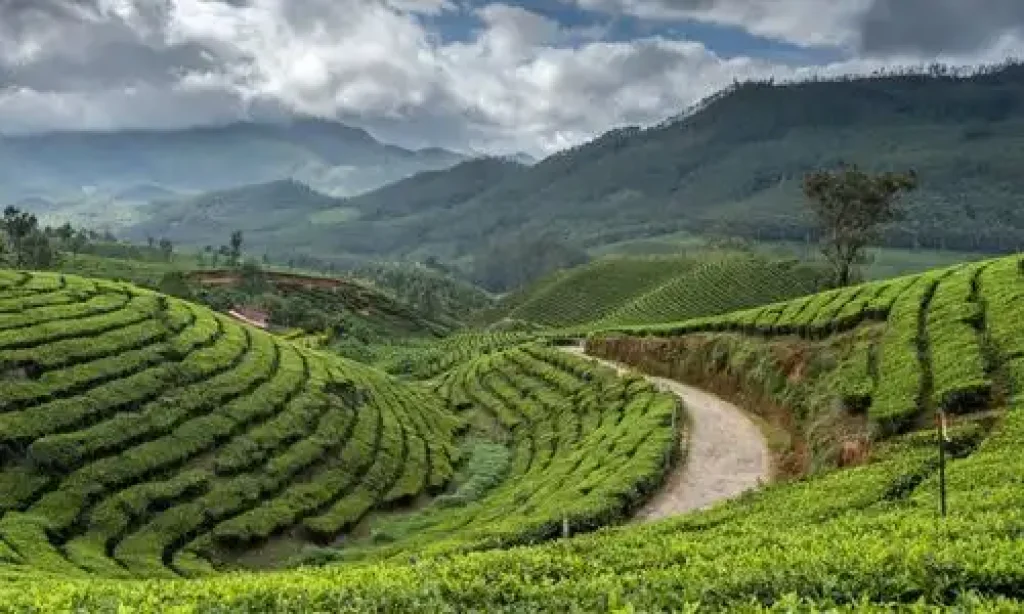
The Happy Valley Tea Estate is the second oldest in Darjeeling and has been operating since 1854, spanning over 440 acres (177 hectares) at an elevation of approximately 6,900 feet (2,100 metres) above sea level. Factory tours run from April to November (the growing season); the tasting room is open year-round. The best quality tea produced here — Super Fine Tippy Golden Flowery Orange Pekoe — sells for considerably more than what’s available at the town’s souvenir shops.
5. Padmaja Naidu Himalayan Zoological Park
Co-located with the Himalayan Mountaineering Institute (HMI), this high-altitude zoo at 2,286 metres is one of the finest in Asia for Himalayan species. Snow leopards, red pandas, Tibetan wolves, clouded leopards, and Himalayan black bears live here in enclosures that attempt to replicate their actual forest habitats. The HMI museum next door, dedicated to mountaineering history in the Eastern Himalayas, is underrated and worth at least an hour.
6. Ghoom Monastery (Yiga Choeling)
Built in 1850, Ghoom Monastery — properly known as Yiga Choeling — is the oldest Tibetan Buddhist monastery in the Darjeeling district. It belongs to the Gelugpa school and houses a striking 4.6-metre clay statue of Maitreya (the Coming Buddha), alongside rare Buddhist manuscripts and thangka paintings. Ghoom Station, immediately below, doubles as the DHR Ghoom Museum covering the full history of the Toy Train.
7. Japanese Peace Pagoda
A gleaming white stupa built by the Japanese Nipponzan Myohoji order on a forested hilltop above town, the Peace Pagoda offers a contemplative alternative to Darjeeling’s more visited landmarks. The uphill walk from the town centre takes 20–25 minutes through the pine forest. On clear days, the views of Kanchenjunga from the pagoda terrace rival those at Tiger Hill at a fraction of the crowd.
Darjeeling Top 5 Tourist Places at a Glance
If pressed to the Darjeeling top 5 tourist places, most local guides would choose: Tiger Hill sunrise, Toy Train joyride to Ghoom, Happy Valley Tea Estate, Padmaja Naidu Zoo with HMI, and the Batasia Loop. That five-point circuit is achievable in two days and forms the core of any Darjeeling tour plan.
Less Crowded Places in Darjeeling — The Offbeat Circuit
The most experienced travellers to this region know that the iconic sites are worth doing — and then the real exploration begins just outside town.
1. Lamahatta
Lamahatta is a scenic village at an altitude of 5,700 ft., 23 km from Darjeeling. The Lamahatta Eco Park, created in 2012, has prayer-flag-lined paths, a sacred lake, and panoramic views of the snow peaks. It sees a fraction of Darjeeling town’s visitor numbers and is one of the finest, less crowded places in Darjeeling for those who want forest, silence, and genuine mountain atmosphere.
2. Chatakpur
Situated within the Senchal Wildlife Sanctuary, Chatakpur is an eco-friendly village that offers a strictly organic lifestyle. The wooden cottages here provide a unique stay experience, and a short hike to the watchtower rewards you with a breathtaking 180-degree view of the Himalayan range. At 7,887 feet, the air at Chatakpur is noticeably cleaner than in town, and the chances of seeing Kanchenjunga without cloud cover are meaningfully better early in the morning.
3. Sittong — The Orange Village
Sittong is famous across North Bengal as the “Orange Village.” During the winter months, the entire village turns orange with ripe fruit. With its winding village roads, small waterfalls, and peaceful homestays, it is a place where you feel at home. The Teesta and Kanchenjunga are both visible from the hillside, and the Orange Festival in November draws a small but genuinely festive crowd.
4. Tinchuley
Roughly 32 km from town, Tinchuley is named for three hills arranged like three cooking stoves — “tin” meaning three, “chuley” meaning stove in Nepali. Tinchuley is a quiet village known for its stunning views of the Kanchenjunga range and surrounding tea gardens. It offers an authentic rural experience, ideal for nature walks and bird watching. Homestays here serve bio-organic food, and the sunrise viewpoint over the Teesta River is one of the most underrated dawn experiences in the Darjeeling hills.
5. Lepchajagat
Lepchajagat is a serene village surrounded by oak and pine forests, located about 23 km from Darjeeling. Known for its peaceful ambience and stunning views of the Kanchenjunga peaks, it is perfect for nature lovers. Birdwatchers consistently rate it as one of the best, less crowded places in Darjeeling for resident and migratory Himalayan species.
You can also check this detailed 7-Day Offbeat Darjeeling Itinerary.
Darjeeling Blossoms Eco Tourism & Adventure Activities
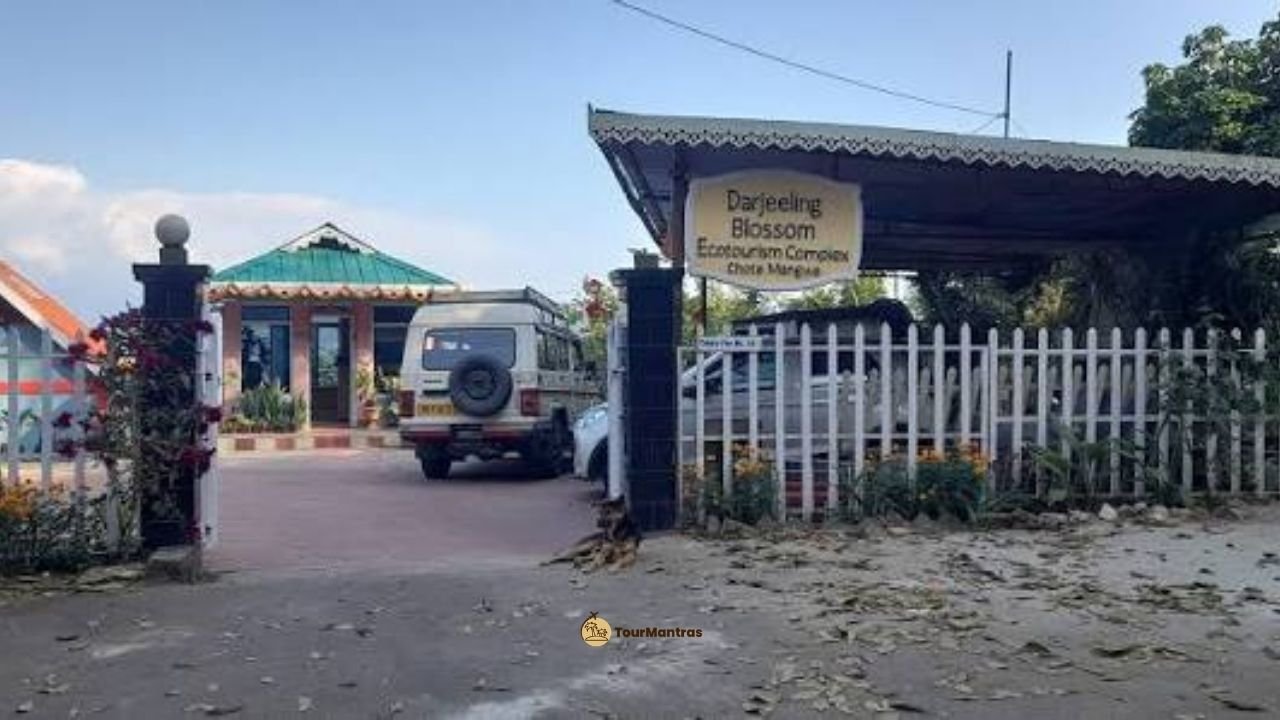
Darjeeling Blossoms Eco Tourism is a well-known eco tourism complex located at Chota/Bara Mangwa, covering nature walks, organic farm visits, village cultural experiences, and guided birding trails in the forests between Darjeeling and the Teesta Valley. It represents the growing Darjeeling Blossoms Eco Tourism model — forest-based, community-supported, low-impact — that sits alongside the town’s more mainstream attractions.
Beyond eco tourism, Darjeeling has a serious adventure profile.
1. Trekking
The Sandakphu Trek is the headline route — a 4-day journey from Maneybhanjang to West Bengal’s highest peak at 3,636 metres, where four of the world’s five highest mountains (Everest, Kanchenjunga, Lhotse, and Makalu) are simultaneously visible. The Sandakphu trek starts from Manebhanjan and takes you through dense rhododendron forests, magical meadows, and surprising views at every turn. For beginners, the 1-day Chatakpur trek through Senchal Wildlife Sanctuary is an excellent introduction to forest trekking in this region.
2. Paragliding
Paragliding spots in Darjeeling include Jalpahar, Jamuni, and Tukvar Tea Garden. This adventure activity costs around INR 3,500 for a 15-minute flight. The best time is October to April. The St Paul’s to Lebong Route paragliding trip starts from the St. Paul’s School in Jalapahar, which is an elevated point from the mall, and this flight lasts for around 15–20 minutes before landing on the Lebong Ground.
3. White Water Rafting
The Teesta and Rangeet rivers both offer white-water rafting between October and May, with grade 2 to grade 4 rapids depending on the season. The Melli to Kalijhora stretch is accessible to beginners and non-swimmers. River Rafting Centre of DGHS Tourism operates at Teesta Bazar, approximately 1.5 hours from Darjeeling town.
4. Rock Climbing
Tenzing Rock — a natural rock formation on Lebong Cart Road — offers entry-level climbing routes for tourists, with steeper faces for trained climbers on the reverse side. The Himalayan Mountaineering Institute also conducts structured mountaineering and rock-climbing courses open to non-professionals.
5. Mountain Biking
The off-road biking trails in Darjeeling include hidden gems such as Barbotey Rock Garden, Lamahatta, Tinchuley, and Dawaipani. Tea estate tours by mountain bike — cycling through Happy Valley, Tukvar, and the surrounding estate roads — combine scenery with a reasonable cardiovascular workout.
6. Camping
High-altitude camping sites along the Sandakphu route include Tonglu, Gairibas, Kalipokhri, Molley, and Gorkey. Forest camping at lower altitudes around Chatakpur and Sittong is also available through eco tourism operators.
How to Reach Darjeeling By Air, Rail, and Road
By Air
The nearest airport is Bagdogra (IXB), approximately 96 km from Darjeeling. It receives direct flights from Kolkata (45 minutes), Delhi (2.5 hours), Mumbai (3 hours), and Guwahati (1 hour). Shared taxis from Bagdogra to Darjeeling take approximately 3 hours; private taxis are available at a higher rate.
By Rail
New Jalpaiguri (NJP) is the primary rail gateway, 88 km from Darjeeling. Major trains: Darjeeling Mail (Kolkata Chitpur to NJP, overnight), Padatik Express (Kolkata Sealdah to NJP), and Saraighat Express (Kolkata Howrah to Guwahati, stops at NJP). Journey time from Kolkata: approximately 9–10 hours. From NJP, shared taxis and buses cover the hill road to Darjeeling (3–3.5 hours).
By Road
The Hill Cart Road (NH-55) from Siliguri to Darjeeling is the main road corridor (approximately 80 km; 3–3.5 hours). An alternative route via Mirik adds 30 minutes but passes through substantially more forest. SNT buses, shared jeeps, and private taxis all operate this route daily.
Food to Try in Darjeeling
Darjeeling has its own culinary identity — shaped by Nepali, Tibetan, and Bengali influences, with a colonial overlay that shows in the bakeries and tea culture.
- Darjeeling First-Flush Tea: The non-negotiable starting point. Try it at source — at Happy Valley or Glenburn Tea Estate — rather than from a souvenir shop.
- Momos: Steamed or fried dumplings with pork, chicken, or vegetable filling; found at virtually every street corner. Keventers on Nehru Road does a reliable version.
- Thukpa: A rich Tibetan noodle soup, ideal for cold evenings. Kunga Restaurant near Chowrasta is a long-standing favourite.
- Sel Roti: A crispy, sweetened rice bread ring, fried in oil; a Nepali breakfast staple sold outside bakeries in the morning.
- Tongba: A traditional millet-based warm fermented drink served in a bamboo vessel with a metal straw; distinctive and warming.
- Gundruk Soup: Fermented leafy greens made into a tangy, filling broth — a Himalayan comfort food worth seeking out in local restaurants.
- Churpi: Hard-dried yak cheese; sold as snacks along the market and at the Chowrasta stalls.
Recommended Restaurants: Keventers Snack Bar (colonial-era institution on Nehru Road), Kunga Restaurant (Tibetan and Nepali), Glenary’s (bakery-restaurant-bar; operating since 1935), and Nathmull’s (the definitive Darjeeling tea shop for buying and tasting).
Places to Stay in Darjeeling
Luxury
- The Elgin Darjeeling: A 19th-century heritage property with period furniture, fireplace rooms, and the finest breakfast view of Kanchenjunga in town.
- Windamere Hotel: The best-preserved Raj-era hotel in Darjeeling — coal fires in the rooms, piano in the lounge, and an atmosphere of 1935 that is entirely unforced.
- Glenburn Tea Estate: A luxury tea estate bungalow 9 km from town; colonial interiors, guided tea walks, and private Teesta valley views.
Mid-Range
- Cedar Inn: Reliable, warm service, and excellent mountain views at a reasonable price point.
- Hotel Dekeling: A Tibetan-owned property on Gandhi Road; clean, characterful, and well-located for the Mall and Chowrasta.
- Summit Swiss Heritage Hotel: Good facilities and consistent service in the upper price-mid range.
Budget
- Andy’s Guesthouse: Long-standing favourite with solo travellers; simple, clean, and sociable.
- Local homestays in Lamahatta, Chatakpur, and Tinchuley: INR 800–INR 1,500 per person including meals; genuine community stays and consistently better value than equivalent budget hotels in town.
Places to Shop in Darjeeling
- Chowrasta (The Mall): The town’s central square and pedestrian promenade; surrounding shops sell Darjeeling tea, woollen shawls, Tibetan thangkas, carved prayer wheels, and handmade jewellery.
- Nehru Road (below Chowrasta): The main commercial street; shops here tend to have fixed prices and a wider range of souvenirs.
- Tibetan Refugee Self Help Centre (Lebong Cart Road): Established in 1959, this centre sells hand-knotted carpets, wooden carvings, silverware, and woollen garments made by Tibetan artisans; one of the best places for quality-guaranteed craft purchases.
- Nathmull’s Tea Room (Laden La Road): The most reputable single-source Darjeeling tea shop; first and second flush teas can be tasted before purchase.
- Habeeb Mullick and Sons (below Chowrasta): A 100-year-old curio and antique shop; the kind of place where browsing is rewarding even without buying.
Average Travel Cost Per Person in INR
- Budget traveller (shared jeeps, dorm/homestay, local restaurants): INR 1,500–INR 2,500 per day
- Mid-range traveller (private taxi transfers, 3-star hotel, restaurant meals): INR 3,500–INR 5,500 per day
- Luxury traveller (heritage hotels, guided tours, fine dining): INR 7,000–INR 15,000+ per day
Typical 4-night/5-day costs per person:
- Budget: INR 8,000–INR 12,000 (transport from NJP, accommodation, meals, safari/tours included)
- Mid-range: INR 18,000–INR 28,000
- Luxury: INR 40,000–INR 70,000
Darjeeling Standard Itinerary (Tour Plan)
This 5-day Darjeeling tour plan covers the Darjeeling main tourist places, eco tourism, and at least one offbeat excursion. It serves as the practical backbone of any complete Darjeeling tourism guide with an itinerary and top tourist places.
Day 1 — Arrival and the Mall
Arrive at NJP or Bagdogra; transfer to Darjeeling (3 hours). Check in, rest, and acclimatise — the altitude hits some travellers. Evening walk on Chowrasta Mall; tea at Nathmull’s. Dinner at Glenary’s.
Day 2 — Tiger Hill Sunrise and Town Circuit
- 4:00 AM: Jeep to Tiger Hill for sunrise over Kanchenjunga
- 7:30 AM: Return via Ghoom Monastery (Yiga Choeling)
- 10:00 AM: Happy Valley Tea Estate guided factory tour
- 1:00 PM: Lunch at Keventers
- 3:00 PM: Padmaja Naidu Himalayan Zoo and HMI Museum
- Evening: Chowrasta, shopping, and dinner at Kunga Restaurant
Day 3 — Toy Train, Batasia Loop, and Himalayan Mountaineering Institute
- 9:00 AM: Toy Train joyride to Ghoom and back (book the previous day at Darjeeling Station)
- 12:00 PM: Lunch at a local restaurant
- 2:00 PM: Batasia Loop visit and War Memorial
- 4:00 PM: Japanese Peace Pagoda walk
- Evening: Craft shopping at Tibetan Refugee Self Help Centre
Day 4 — Offbeat Day: Lamahatta and Chatakpur
- Full day excursion to Lamahatta Eco Park and Chatakpur watchtower
- Pack a picnic lunch or eat at a village homestay
- Birdwatching with a local guide in Senchal Wildlife Sanctuary
- Return to Darjeeling for dinner
Day 5 — Departure or Extension to Kalimpong/Sikkim
Check out and transfer to NJP/Bagdogra.
For those extending, explore Kalimpong, which is 56 km (2 hours). You can also visit Gangtok hill station, which is 100 km (3 hours) — the classic Darjeeling Sikkim tourist places circuit for a 7-day trip.
Darjeeling Travel Tips in Summer (March to June)
Summer — particularly April and May — is the most popular season for Darjeeling tourism. Rhododendrons bloom across the hills, the First Flush tea harvest is underway, and temperatures remain comfortable at 8°C–15°C in the hills.
| Things to Do | Things to Avoid |
|---|---|
| Book Tiger Hill sunrise jeeps 2–3 days in advance (crowds peak in May) | Visiting without warm layers — nights drop to 5°C even in May |
| Visit Happy Valley Tea Estate during the First Flush harvest (March–April) for the best factory tour | Assuming clear skies — cloud cover builds from late morning onward most days |
| Trek to Sandakphu before the monsoon onset (aim for April–May) | Booking accommodation on arrival during the Easter and May holiday weeks |
| Explore less crowded places in Darjeeling, like Lamahatta and Chatakpur, before the June crowds arrive | Wearing only cotton — layering is essential; temperatures fluctuate 10–15°C within a day |
| Attend the Darjeeling Carnival in May if dates align | Driving to Tiger Hill alone in an unfamiliar vehicle on dark mountain roads |
| Try fresh momos and Sel Roti at the seasonal morning stalls | Dismissing afternoon cloud as permanent — mornings are almost always clearer |
Darjeeling Travel Tips in Monsoon (July to September)
Monsoon is Darjeeling’s most unpredictable season. The hills go intensely green; waterfalls appear on every slope. But landslides are a genuine risk, mountain views become rare, and some road corridors close without notice.
| Things to Do | Things to Avoid |
|---|---|
| Book cancellable/flexible accommodation — road closures can extend stays unexpectedly | Planning road trips to offbeat villages without checking current conditions |
| Explore monastery interiors and the Himalayan Mountaineering Institute museum on rainy days | Attempting the Sandakphu trek during active monsoon — trail erosion and leeches make it unpleasant and occasionally dangerous |
| Visit the Tibetan Refugee Self-Help Centre and Chowrasta shops in the rain | Booking Tiger Hill at premium rates expecting clear sunrise visibility — mist covers the view on most monsoon mornings |
| Try Darjeeling’s café culture — Glenary’s, Joey’s Pub, and the Chowrasta tea stalls are full of character in wet weather | Leaving rain gear in the hotel — light waterproofs are essential even on apparently dry days |
| Visit in August for the Second Flush tea tasting at Nathmull’s | Carrying excessive luggage on steep hill paths — waterlogged steps and roads make stability critical |
| Check government advisories for landslide-affected routes daily | Travelling on old, unmaintained vehicles with unfamiliar drivers on mountain roads |
Darjeeling Travel Tips in Autumn (October to November)
Post-monsoon autumn is widely considered the finest season in Darjeeling. Skies clear dramatically, Kanchenjunga is visible almost daily, and the town’s festival calendar — Teesta Tea and Tourism Festival in November, Darjeeling Carnival — adds cultural depth.
| Things to Do | Things to Avoid |
|---|---|
| Prioritise Tiger Hill in October–November for the highest probability of a clear Kanchenjunga and Everest sighting | Booking budget accommodation in Chowrasta on weekend arrivals without prior reservation — peak demand in October |
| Attend the Teesta Tea and Tourism Festival for tea tastings and cultural performances | Leaving without purchasing Autumn Flush Darjeeling tea — it’s a distinct harvest with a nutty, mature character |
| Explore the Darjeeling Sikkim tourist places circuit — autumn is the best season for Gangtok and Pelling too | Assuming temperatures remain warm past 4 PM — autumn evenings drop quickly to 5–8°C |
| Visit Sittong in November for the Orange Festival — one of the best, less crowded places in Darjeeling experiences of the year | Ignoring local weather apps — clear mornings can still be overcast by afternoon in October |
| Try the Sandakphu trek in October for the finest views of the Singalila ridge | Wearing lightweight shoes — trails are still damp from the monsoon runoff throughout October |
| Book Glenburn Tea Estate or Windamere Hotel in advance — autumn fills both quickly | Rushing from Tiger Hill back to town — linger at the Batasia Loop as the morning light develops over the town |
Darjeeling Travel Tips in Winter (December to February)
Winter in Darjeeling is cold, quiet, and atmospheric in a way the other seasons can’t quite replicate. Snow falls on the upper elevations; the town empties of peak-season crowds; the hotels that remain open often offer substantially reduced rates.
| Things to Do | Things to Avoid |
|---|---|
| Enjoy significantly lower hotel rates and quieter sightseeing — winter is the true off-season | Attempting Sandakphu without proper gear — temperatures at the summit drop below -10°C in January |
| Carry proper winter gear — thermal base layers, windproof jacket, gloves, and wool socks are essential | Underestimating road conditions — snow and ice on the Hill Cart Road require careful driving, particularly at night |
| Visit the Windamere Hotel for the full coal-fire heritage experience — the atmosphere in winter is unmatched | Assuming paragliding is available, most operators suspend operations in January and February due to unstable thermals |
| Try Tongba (warm millet beer) in the evenings — it makes much more sense in winter | Booking a trip mid-January to mid-February without confirming your specific hotel and restaurant is open |
| Photograph Kanchenjunga against a brilliant blue winter sky — the clearest views of the year | Travelling without a reliable data connection — carry a local SIM or offline maps for navigation |
| Explore less crowded places in Darjeeling like Lamahatta in snowfall — the pine forest in winter is extraordinary | Driving to Tiger Hill without checking the road conditions the evening before |
Additionally, you can check things to do after reaching Darjeeling in winter.
Wrapping Up on Darjeeling Tourism Guide
There is a version of a Darjeeling trip that goes: arrive, see Tiger Hill at dawn, ride the Toy Train, buy some tea, leave. It is a perfectly fine trip. Plenty of people do exactly this and come away satisfied.
But this Darjeeling tourism guide has tried to describe something more. Darjeeling is the kind of place where the famous places are genuinely worth visiting, and the less crowded places in Darjeeling are even better. That combination is rarer than it seems.
Plan carefully, pack your layers, and go during autumn if you can. The mountains will do the rest.
Commonly Asked Questions on the Darjeeling Tourism Guide
1) What is the best time to visit Darjeeling according to this Darjeeling tourism guide?
October to December is the finest window — post-monsoon skies are clear, temperatures are comfortable, and Kanchenjunga is visible almost daily. March to May is the second-best option, coinciding with the First Flush tea harvest and rhododendron blooms. Both periods represent the peak of the Darjeeling travel brochure experience.
2) Which are the top tourist places in Darjeeling for a first-time visitor?
Tiger Hill (sunrise), Batasia Loop, Toy Train joyride to Ghoom, Happy Valley Tea Estate, Padmaja Naidu Zoo, and the Japanese Peace Pagoda form the core Darjeeling top tourist places circuit. These top tourist places in Darjeeling are all achievable in 2–3 days and covered in detail across this Darjeeling tourism guide.
3) What are the best, less crowded places in Darjeeling?
Lamahatta, Chatakpur, Tinchuley, Sittong, Lepchajagat, and Dawaipani are the finest, less crowded places in Darjeeling. All are within 35 km of town and accessible by taxi; homestay accommodation is available at most.
4) How do I reach Darjeeling from Kolkata?
The most comfortable option is the overnight Darjeeling Mail train from Chitpur to New Jalpaiguri (NJP), followed by a shared taxi to Darjeeling (3 hours). Total journey: approximately 12–13 hours. Alternatively, fly from Kolkata to Bagdogra (45 minutes) and taxi to Darjeeling (3 hours).
5) What is the average cost of a Darjeeling tour plan?
A mid-range 5-day Darjeeling tour plan costs approximately INR 18,000–INR 28,000 per person, including NJP transfers, accommodation, meals, and guided tours. Budget travellers can complete the same itinerary for INR 8,000–INR 12,000 using shared jeeps, homestays, and local restaurants.
6) Can Darjeeling and Sikkim be combined in one trip?
Yes — the Darjeeling Sikkim tourist places circuit is one of the most popular itineraries in eastern India. A standard route runs Darjeeling (3 nights) → Kalimpong (1 night) → Gangtok (2 nights) → Pelling (2 nights), covering approximately 7 days. This circuit uses the same NJP/Bagdogra gateway.
7) What makes Darjeeling Blossoms Eco Tourism worth visiting?
Darjeeling Blossoms Eco Tourism at Chota/Bara Mangwa offers an immersive community-run nature experience — organic farm visits, guided forest walks, village cultural programmes, and birding trails — well outside the main tourist circuit. It is an ideal half-day or full-day excursion for visitors who have already covered the famous tourist places in Darjeeling and want something more quietly extraordinary.
8) Is Darjeeling suitable for solo female travellers?
Yes — Darjeeling is consistently rated among the safer hill stations in India for solo travellers of any gender. The town is compact and walkable; residents are generally welcoming and used to independent tourists. For offbeat village excursions, booking through a reputable local operator and travelling in daylight is advisable regardless of gender.

The Chief Editor of TourMantras is a digital marketing professional, but also a travel enthusiast at the same time. He loves researching the latest tourist destinations in India or abroad and visiting them in person when possible. After that, he loves posting them on our website just to satisfy his passion and provide accurate information to travellers.