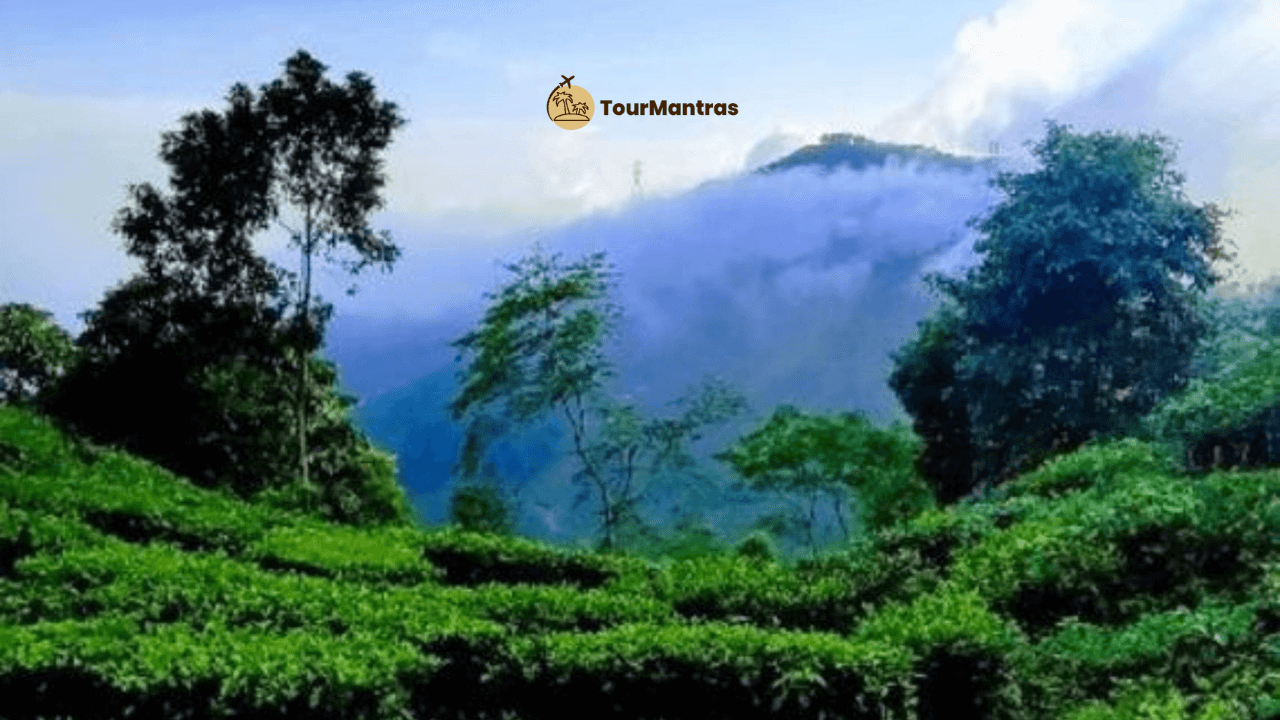
You don’t realise how tired you are until the mountains slow you down. The moment you step out of New Jalpaiguri (NJP) station, the air already feels different—lighter, cooler, almost reassuring. Somewhere beyond the traffic and tea stalls, Darjeeling waits, not as a checklist destination, but as a perfect offbeat 7-day Darjeeling itinerary for slow travellers.
Whether you’re a student seeking a week-long Himalayan escape or a professional looking to disconnect, this guide walks you through misty mornings and quiet viewpoints where the mountains do the talking.
However, if you’ve been searching for a Darjeeling 7-day itinerary from New Jalpaiguri (NJP) that doesn’t impress and actually lets you feel the hills, this guide is written for you.
At a Glance: About a 7-Day Offbeat Darjeeling Itinerary
- Starting Point: New Jalpaiguri (NJP)
- Travel to Darjeeling: ~4-hour drive from NJP
- Ideal Duration: 7 days
- Travel Style: Slow travel
- Heritage Highlight: Colonial heritage of the Queen of Hills
- Offbeat Spots: Lepchajagat and Lamahatta
- Top Attraction: Sunrise views at Tiger Hill
- Experiences: Forest-side stays, tea garden visits
- Approx. Cost: INR 15,000–25,000 per person
Day-Wise 7-Day Offbeat Darjeeling Itinerary from NJP
This itinerary is designed the way most travellers wish they had travelled—unhurried, practical, and layered with moments you don’t usually find in generic plans.
Day 1: NJP to Darjeeling – The Journey Sets the Mood
Your 7-day offbeat Darjeeling itinerary officially starts at New Jalpaiguri. It is among the busiest rail gateways, located in eastern India. New Jalpaiguri (NJP) witnesses more than 12 million passengers every year. A major chunk of these are enthusiastic tourists who are here to visit North Bengal and Sikkim. Irrespective of the chaotic scene around the NJP station, the spirit to explore the hills is something special, driving countless tourists to visit every year.
From NJP, you’ll drive uphill for around 3.5–4 hours, depending on traffic and weather. The road curves through tea estates, river valleys, and forested stretches where mobile networks start to fade—and honestly, that’s a blessing.
By the time you reach Darjeeling, the temperature at one of these best mountain holiday spots to visit near Kolkata usually drops by 8–10°C compared to Siliguri, especially between October and March.
Check into your hotel, freshen up, and head for a gentle walk along Mall Road. You can put there, enjoy the vibe, explore local markets, enjoy a hot cup of tea, and try local foods. Save your energy for the real deal tomorrow.
If you’re travelling during winter checkout our blog on things to do after reaching Darjeeling on your first day during winter.
Day 2: Sunrise, Tea, and the Soul of Darjeeling
This is the day for experiencing the true beauty of the place.
So even if you have to wake up early today, in the end, you won’t regret it!
Tiger Hill at sunrise is one of those views that photographs never fully capture. On clear days, the first light hits Mount Kanchenjunga, transforming the snow into pink and gold. If you’re lucky enough with clearer skies during mornings (about 15–20 days a year), you might end up witnessing the towering Everest, far away.
Try finishing your breakfast so that you can venture out exploring Darjeeling’s true beauty:
- Batasia Loop, where the toy train curves dramatically against a mountain backdrop
- Darjeeling Himalayan Railway, a UNESCO World Heritage Site that still runs on a narrow-gauge track laid in the 1880s
In the afternoon, visit Happy Valley Tea Estate. Darjeeling tea contributes less than 1% of India’s total tea production, yet it commands some of the highest prices globally. Walking through the estate, you understand why—every leaf is handled with care.
Evening?
You can explore the Mall Road again. Maybe grab a cup of coffee and spend quality time with near ones.
If you have week-long time or beyond to explore the hills, this blog might interest you: 22+ Hill Stations in Bengal and Eastern India That are Better Than Shimla & Manali
Day 3: Monasteries, Wildlife, and Quiet Corners
Start the day by visiting the Ghoom Monastery – among the oldest Tibetan monasteries in the region. The experience gets surreal with chants, butter lamps, and the smell of incense.
Next, check out:
- Padmaja Naidu Himalayan Zoological Park, home to red pandas and snow leopards
- Himalayan Mountaineering Institute, which tells the story of mountaineering in the Eastern Himalayas
- Japanese Peace Pagoda on Jalapahar Hill
Darjeeling isn’t loud about its achievements. It simply carries them.
By late afternoon, visit Peace Pagoda. Sit there quietly. Watch the clouds move. This is where many travellers realise Darjeeling isn’t about ticking boxes—it’s about pauses.
Day 4: Darjeeling to Kalimpong – Changing Landscapes
Now it’s time to venture beyond Darjeeling. You can hire a cab or drive yourself to Kalimpong, about 50 km away. The journey itself is joyful as the road passes alongside the scenic Teesta River, winding through the valleys and greenery.
Compared to Darjeeling, Kalimpong hill station in Bengal is quieter and less inhabited. After reaching there, visit:
- Durpin Monastery for panoramic valley views
- Zang Dhok Palri Phodang Monastery, peaceful and uncrowded
By evening, walk through local markets where life feels lived-in rather than curated.
Day 5: Kalimpong to Mirik – Lakes and Tea Gardens
Start the day again with breakfast. After that, plan a visit to Mirik. It is a beautiful hill town offering serene, scenic views and surrounded by tea estates.
The drive itself is a highlight—rolling gardens, workers plucking tea leaves, and roads that feel stitched into the hills.
In Mirik:
- Walk around Sumendu Lake
- Visit nearby tea gardens
- Enjoy a slower lunch with a view
Mirik doesn’t try to impress you. It simply lets you breathe.
Day 6: Mirik to Darjeeling either via Lepchajagat or Lamahatta
We will suggest that you return to Darjeeling via Lepchajagat or Lamahatta.
- Lepchajagat: A tiny village surrounded by Oak and Rhododendron forests. It offers a more tranquil view of Kanchenjunga than the main town.
- Lamahatta Eco Park: Famous for its manicured gardens and “Play of Clouds” vibe.
Day 7: Darjeeling to NJP – Leaving Without Really Leaving
Morning comes too quickly.
Visit Happy Valley Tea Estate at 8:00 AM to see the first-flush plucking process. Before heading back to NJP, grab a cup of “Champagne of Teas” at a local lounge. Start your descent at least 5 hours before your train departure to account for Siliguri traffic.
Best Places Covered in This Darjeeling 7-Day Itinerary from NJP
This itinerary blends classics with calm:
- Darjeeling
- Tiger Hill
- Kalimpong
- Mirik
- Lepchajagat / Lamahatta
Together, they offer culture, nature, and breathing space—without exhaustion.
How to Reach Darjeeling from New Jalpaiguri
To reach Darjeeling from NJP, take a shared taxi from the main stand outside the station exit (INR 400 – 600 per seat) or a prepaid reserved taxi from the yellow booth (INR 2,500 – 3,500). Shared jeeps are best available between 7:00 AM and 3:00 PM; after 4:00 PM, private hire is the only reliable option.
| Transit Mode | Boarding Point | Timing Tip | Estimated Cost (2026) |
| Prepaid Taxi | Yellow Booth (Main Exit) | 24-hour service; no bargaining | INR 2,500–3,500 (Small Car) |
| Shared Jeep | Main Taxi Stand (NJP) | Reach before 3:00 PM | INR 400–600 per seat |
| Toy Train | DHR Platform (NJP) | Departs 10:00 AM (7-hr trip). | INR 1,100–1,500 |
Cost & Budget for Darjeeling Trip from New Jalpaiguri
Costs in North Bengal vary by season. Peak periods (March–May, Oct–Dec) see a 30% price surge.
- Budget tourists: INR 2,000-3,000 per day
- Mid-range tourists: INR 4,500–6,500 per day
- For those who can spend more: INR 10,000+ per day
Costs vary by season, but Darjeeling remains more affordable than many Himalayan destinations.
Best Time for an Offbeat Trip Covering Darjeeling and Kalimpong within 1 Week
- March to June: Pleasant, ideal for sightseeing
- October to December: Clear views, crisp air
- July to September: Monsoon—lush but risky due to landslides
For first-time visitors, spring and autumn work best.
Final Words on the Darjeeling 7-day Itinerary from NJP
A 7-Day offbeat Darjeeling itinerary isn’t about covering everything. It’s about covering enough—enough to fall in love, enough to slow down, enough to realise why these hills have drawn travellers for over a century.
If you rush, Darjeeling feels like a destination. If you stay, it becomes a memory.
And memories, as you know, always call you back.
People Also Ask For
1. Is 7 days enough for Darjeeling and the nearby places?
Yes. A 7-day duration is the “sweet spot” for a regional circuit. It allows for 3 days in Darjeeling and 4 days to explore Kalimpong, Mirik, and offbeat hamlets like Lepchajagat without feeling rushed.
2. What is the best time for Kanchenjunga views?
The most reliable window is October to December. Post-monsoon skies are crystal clear. In March and April, the views are beautiful but can be obstructed by afternoon clouds or morning fog.
3. Is Darjeeling safe for solo female travellers?
Darjeeling is considered very safe. Locals are polite, and the town centre remains active until 8:00 PM. Always negotiate taxi fares beforehand and avoid walking alone on isolated forest trails after dark.
4. I am on budget. Now, can this Darjeeling 7-Day Itinerary from NJP be done on a budget?
Yes. The shared transport and budget hotels make it affordable.
5. Is Darjeeling crowded all year?
Peak seasons see crowds, but early mornings and offbeat detours keep things peaceful.
6. Which hill stations can I visit from Darjeeling?
From here, you can comfortably plan short trips to Kalimpong (around 2.5 hours away), known for its monasteries and quieter pace, and Mirik, a peaceful lakeside town surrounded by tea gardens. If you prefer less touristy spots, Lepchajagat and Lamahatta are perfect for nature walks, forest stays, and uninterrupted mountain views. With a little more time, you can even extend your journey towards Kurseong or parts of North Sikkim, depending on road conditions and permits.
7. Which is better: Steam or Diesel Toy Train?
The Steam Joyride (INR 1,500) offers vintage charm and authentic coal smoke, making it a UNESCO favourite. The Diesel Joyride (INR 1,000) is more modern and reliable. Both follow the same scenic loop from Darjeeling to Ghum.

The Chief Editor of TourMantras is a digital marketing professional, but also a travel enthusiast at the same time. He loves researching the latest tourist destinations in India or abroad and visiting them in person when possible. After that, he loves posting them on our website just to satisfy his passion and provide accurate information to travellers.