There is a moment — and it happens to almost every first-time visitor — when the taxi rounds a bend on the Siliguri–Gangtok road and the city suddenly appears on the hillside ahead, draped in prayer flags, monastery spires catching the morning light, the green ridges of Sikkim rolling endlessly behind it. And you realise that no photograph you have seen has been unfair to it, because the real thing is simply more than a camera can hold.
Gangtok, at 1,650 metres above sea level in the eastern Himalayas, is the capital of Sikkim and the centrepiece of the Gangtok tour and travels across North-East India. This Gangtok tourism plan covers everything you need to know. From the best Gangtok sightseeing places and tour packages to the official Gangtok tourism department resources, seasonal travel tips, and a complete 7-day Gangtok and North Sikkim tour itinerary with package cost — consider this your definitive guide to Gangtok tour travel.
Before that, here’s a quick summary of what to expect in this blog.
Gangtok Tour and Travels at a Glance
- Location: East Sikkim district, Sikkim — altitude 1,650 metres (5,410 ft) above sea level
- Famous For: Buddhist monasteries, Tsomgo Lake, Nathula Pass, Kanchenjunga views, MG Marg, and orchids
- Best Time to Visit: March to May (spring rhododendrons) and October to December (clear Himalayan views)
- Gangtok Top Sightseeing Places: Tsomgo Lake, Rumtek Monastery, Nathula Pass, MG Marg, Enchey Monastery, Tashi Viewpoint, Namgyal Institute of Tibetology, Do Drul Chorten Stupa
- Gangtok to North Sikkim Tour: Lachung, Yumthang Valley, Zero Point, Gurudongmar Lake
- Gangtok to South Sikkim Tour: Namchi, Ravangla, Temi Tea Garden
- Nearest Airport: Pakyong Airport (approx. 35 km; 1-hour drive); Bagdogra Airport (approx. 124 km; 3-hour drive)
- Nearest Railway Station: New Jalpaiguri (NJP) — approximately 124 km; 3.5-hour taxi journey
- Darjeeling Gangtok Tourism Circuit: NJP → Darjeeling (3 nights) → Gangtok (3 nights) → Pelling (2 nights)
- Languages Spoken: Nepali, Sikkimese, Lepcha, Hindi, English
- Average Travel Cost: INR 8,000–INR 15,000 per person per day, depending on accommodation and activities
- Ideal For: Couples, families, solo travellers, Buddhist pilgrims, adventure seekers, and nature lovers
- Travel Tip: A Protected Area Permit (PAP) is required for visiting areas like Nathula Pass and Gurudongmar Lake. Tour operators and the Gangtok tourist information centre can arrange permits; carry original ID proof.
Price Disclaimer: All costs mentioned in this Gangtok tour and travels guide are approximate and subject to change based on season, accommodation type, group size, operator, and permit requirements. Always confirm rates directly with Sikkim tour operators in Gangtok before booking.
Why Plan for Gangtok Tourism
Gangtok did not always look like this. Before 1840, it was a modest ridge settlement in the Kingdom of Sikkim — sparsely populated, notable mainly for a forest clearing where a small hermitage stood. The construction of the Enchey Monastery in 1840 changed things. By 1894, when the ruling Chogyal Thutob Namgyal transferred the royal capital here from Tumlong, Gangtok had already begun its transformation from hermitage to administrative and spiritual centre.
In the early 20th century, the town became a major stopover on the trade route between Lhasa in Tibet and Calcutta — silk, wool, and musk moved through its markets; Buddhist scholars and Tibetan merchants shared the narrow lanes. That Himalayan cosmopolitanism, distinct from anything you find in Darjeeling or Kalimpong, still defines the town’s character. After India’s independence in 1947, Sikkim remained an independent monarchy. In 1975, the state was integrated into India as its 22nd state, and Gangtok became the state capital, which it remains today.
About Gangtok tourism in its modern form: the Gangtok tourism development corporation, the state’s Tourism and Civil Aviation Department, and private Sikkim tour operators in Gangtok together manage one of North-East India’s most organised tourism ecosystems. Gangtok government tourism infrastructure includes the tourist information centre Gangtok (located near MG Marg), the Sikkim government tourist lodge in Gangtok, and the officially managed Tsomgo Lake and Nathula Pass permit system that protects these ecologically sensitive border areas.
Like Gangtok, if you want to explore more similar destinations in Eastern India, read here: 22+ Hill Stations in Bengal and Eastern India That Are Better Than Shimla & Manali
List of Gangtok Sightseeing Places
Popular Gangtok Sightseeing Places
1. Tsomgo Lake (Changu Lake) — The Sacred Glacial Lake
Situated at an altitude of approximately 3,780 metres (12,400 ft) and roughly 40 km from Gangtok, Tsomgo Lake is arguably the most iconic of all Gangtok sightseeing places. In the Bhutia language, Tsomgo means “source of the lake.” The oval-shaped glacial lake remains frozen through winter and reflects the surrounding snow peaks in a deep sapphire blue when it thaws. In May, the entire bank bursts into wild rhododendron bloom.
A Protected Area Permit (PAP) is required; most Gangtok sightseeing packages include permit arrangement in the cost. Yak rides along the lake’s edge are available. On the route to Tsomgo, Hanuman Tok and Ganesh Tok — two prominent Hindu temples with extraordinary Kanchenjunga views — make natural stops.
2. Rumtek Monastery — The Dharma Chakra Centre
Located approximately 24 km from Gangtok, Rumtek Monastery is the largest and one of the most significant Buddhist monasteries in Sikkim. The original monastery was built in the 16th century by the 9th Karmapa; the present structure was inaugurated in 1966 by the 16th Karmapa after fleeing Tibet. It serves as the seat-in-exile of the Gyalwang Karmapa — the third-highest lama in Tibetan Buddhism — and houses a golden stupa containing the relics of the 16th Karmapa.
The golden pagoda roof, the courtyard where monks train, and the thangka collection inside are each remarkable in their own right. Open 9 AM to 6 PM daily. Entry: INR 50 per person.
3. Nathula Pass — The Gateway That Closed and Reopened
At 4,310 metres, Nathula Pass on the India-China border is one of the highest motorable passes in the world, and one of the most historically charged. For centuries, this was a key point on the ancient Silk Road trade route between India and Tibet. The pass was sealed in 1962 following the India-China War and reopened for limited trade in 2006 — a border trade mart now operates here between Indian and Chinese traders.
Indian nationals (not foreigners) may visit Nathula with a Protected Area Permit obtained from the Sikkim Gangtok tourism department office. The drive from Tsomgo Lake to Nathula (14 km) climbs through spectacular alpine terrain. Carry warm clothing; temperatures drop sharply even in summer.
4. MG Marg — The Pedestrian Heart of Gangtok
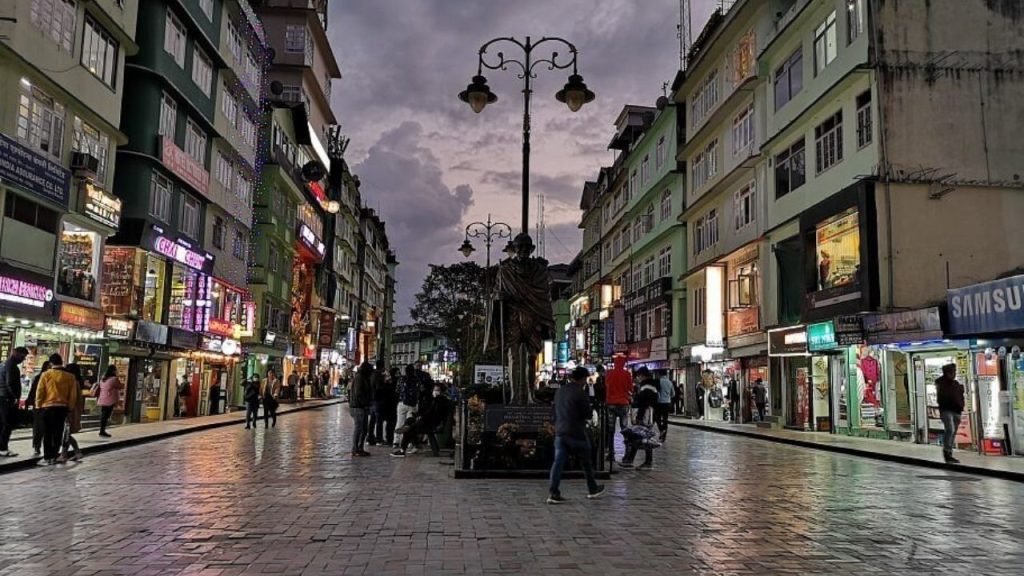
Mahatma Gandhi Marg — MG Marg — is the social and commercial spine of Gangtok: a clean, vehicle-free pedestrian street lined with shops, cafés, restaurants, and benches where locals and visitors share the same unhurried evening pace. No Gangtok tour travel is complete without a slow evening walk here.
Buy Sikkimese handicrafts and locally made thangkas in the roadside shops; try Momos and Churpi (dried yak cheese) from street stalls; have coffee at one of the several cafés that open onto the street. The lit-up Marg on a clear winter evening, with Kanchenjunga somewhere behind the clouds, is the image of Gangtok that most visitors carry home.
5. Enchey Monastery — The Solitary Temple
Built in 1840 on a spur of land 3 km above the Gangtok city centre, Enchey Monastery belongs to the Nyingma order of Tibetan Buddhism. The name means “solitary temple.” The building was constructed on a site chosen by the Tantric master Lama Druptop Karpo, who was believed to have the power to fly; the monastery’s founding is associated with this legend. Morning prayers begin at 5 AM; the monastery hosts a major masked dance festival (Chham) in January each year.
6. Namgyal Institute of Tibetology
Established in 1958 at Deorali with the support of the 14th Dalai Lama and the then Chogyal of Sikkim, the Namgyal Institute of Tibetology is one of the world’s foremost centres for Tibetan studies. The museum holds rare thangkas, ancient manuscripts in Tibetan and Sanskrit, ritual objects, and statues. Its library contains thousands of Tibetan-language documents, the largest such collection in India. Entry: INR 10 per person. Open daily except Sundays, 10 AM to 4 PM.
7. Tashi Viewpoint
Located 8 km from central Gangtok on the road to Phodong, the Tashi Viewpoint offers one of the cleanest panoramic views of Kanchenjunga — along with Mount Siniolchu and the rolling ridges of North Sikkim — available without trekking. On clear mornings between October and December, the sunrise here is genuinely comparable to Tiger Hill in Darjeeling. No entry fee.
8. Gangtok Ropeway (Cable Car)
The Gangtok Ropeway runs from Deorali Bazar across a 1-km aerial route to Tashiling, stopping at Nam Nam in between. It is the most aerial view of Gangtok city available — on clear days, Kanchenjunga fills the horizon. Cable cars run throughout the day; the fare is approximately INR 65–80 per person return. One of the more unusual and enjoyable Gangtok sightseeing places.
If you’re truly a nature lover, do check this blog as well – 8 Top Places for Bengal Eco Tourism: Best Options for Nature Lovers are Here!
Less Crowded Gangtok Sightseeing Places — The Offbeat Circuit
The city circuit is worthwhile. What lies just outside it is where Gangtok’s quieter character shows.
1. Aritar (Ramitey) — East Sikkim’s Peaceful Lake
Approximately 65 km from Gangtok in East Sikkim, Aritar is a village nestled around the small Aritar Lake — a serene body of water surrounded by cardamom plantations and rhododendron forest. The Ramitey Viewpoint above the village offers views of Kanchenjunga and, on clear days, the Teesta River valley below. East Sikkim tour packages from Gangtok increasingly include Aritar as an overnight add-on.
2. Kabi Lungchok — The Historic Peace Meadow
Just 17 km north of Gangtok, Kabi Lungchok is a meadow where a historic blood brotherhood treaty was signed between the Lepcha chieftain Te-Kong-Tek and the Bhutia ruler Khye-Bum-Sar — an alliance that shaped Sikkim’s early political history. A stone memorial marks the spot. Almost entirely unvisited by mainstream tour groups, Kabi Lungchok offers a quiet combination of history and forest landscape.
3. Namnang — The Eco Village
About 6 km from Gangtok, Namnang is a small eco village where community-run homestays offer an immersive experience of Sikkimese rural life — cardamom fields, organic vegetable gardens, and mountain views without the crowd density of the city. A natural half-day excursion for visitors staying in Gangtok.
4. Zuluk — East Sikkim’s Hidden Gem
For travellers with a restricted area permit, Zuluk in East Sikkim — approximately 92 km from Gangtok — is one of the most spectacular road journeys in India. The Old Silk Road zigzags through 32 hairpin bends between 8,000 and 12,000 feet, passing through Thambi Viewpoint where — on a clear day — six Himalayan peaks are visible simultaneously.
Gangtok to North Sikkim Tour — Key Destinations
North Sikkim is where the Gangtok tour and travels reach their most dramatic expression. The landscapes here — high-altitude valleys, Buddhist monasteries perched on ridgelines, rivers running through gorges that have never seen a tourist season — are unlike anything in the rest of the Himalayan hill station circuit.
1. Lachung and Yumthang Valley
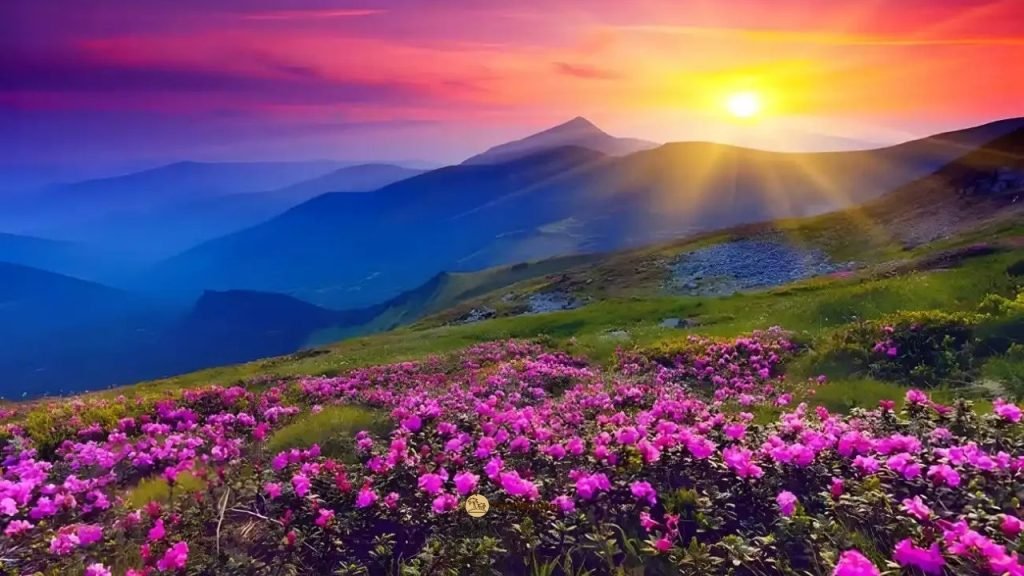
Lachung is a small Himalayan village in North Sikkim that serves as the base for visiting the Yumthang Valley — often called the “Valley of Flowers” — a wide alpine meadow at 3,564 metres that blooms with primula, rhododendron, and poppy from April to June. The drive from Gangtok to Lachung takes approximately 6–7 hours through spectacular gorge country. Most Gangtok and North Sikkim tour packages include 2 nights in Lachung.
2. Zero Point (Yumesamdong)
At 4,800 metres, Zero Point is the last inhabited point in North Sikkim before the Chinese border. Snow is present year-round; the landscape is post-alpine tundra. It requires a protected area permit. The drive from Lachung takes approximately 1.5 hours and is one of the most arresting stretches of road in the Himalayas.
3. Gurudongmar Lake
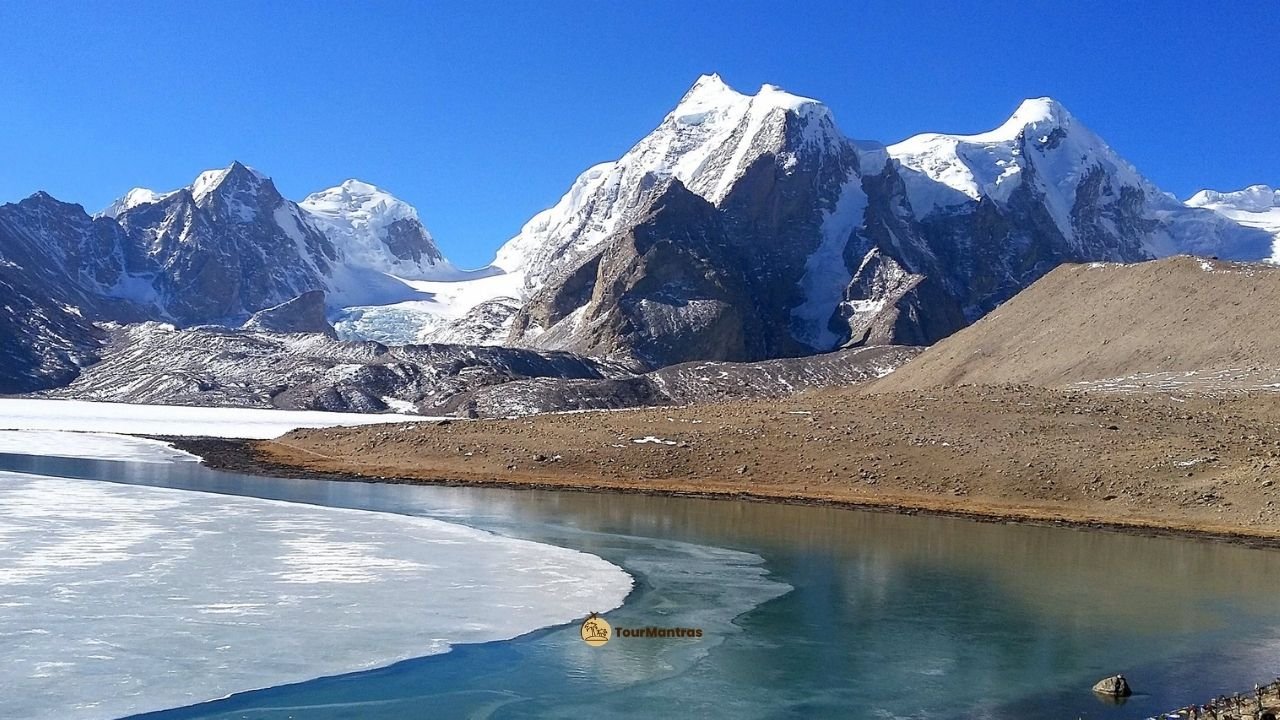
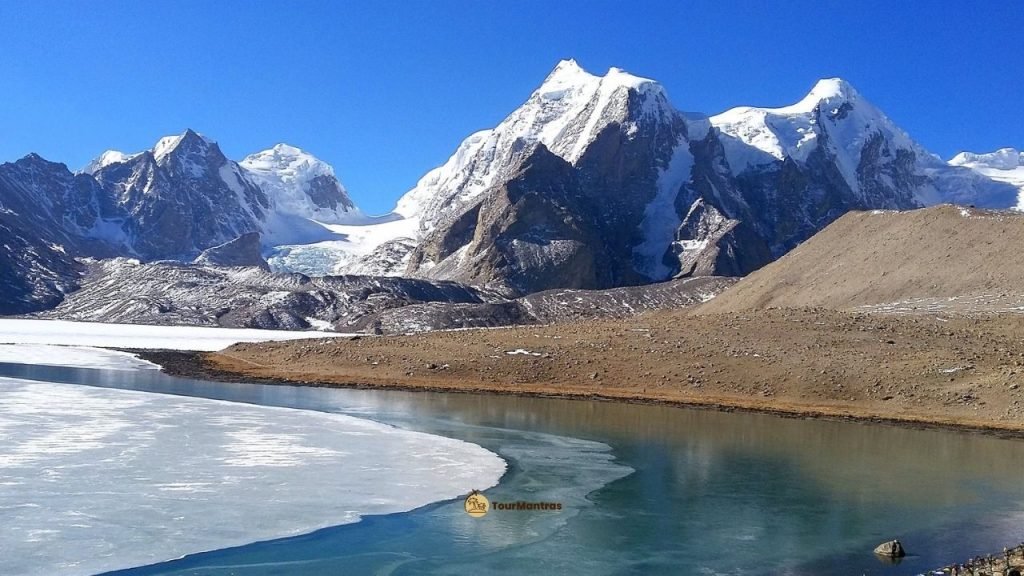
At 5,183 metres, Gurudongmar Lake is one of the highest lakes in the world. It remains partially unfrozen through winter — attributed, in local tradition, to the blessing of Guru Padmasambhava — and the views of the surrounding snow peaks are extraordinary. Access requires prior booking through Gangtok government tourism or registered tour operators; the lake is approximately 180 km from Gangtok (8–9 hours).
Gangtok to South Sikkim Tour — Key Destinations
1. Namchi and Char Dham Complex
Namchi in South Sikkim, approximately 80 km from Gangtok, houses a 36-metre statue of Guru Padmasambhava — the tallest in the world — along with the Char Dham complex, which replicates the four sacred Hindu pilgrimage sites (Badrinath, Dwarka, Puri, and Rameshwaram) on a single hillside. The Samdruptse Hill viewpoint offers panoramic South Sikkim views.
2. Ravangla and Temi Tea Garden
Ravangla (54 km from Gangtok) has a Buddha Park with an 87-foot statue of the Buddha at its centre. Temi Tea Garden, 12 km from Ravangla, is the only tea garden in Sikkim — small, organic, and producing a tea that sells at premium prices internationally. A Gangtok to South Sikkim tour typically covers both in a single long day from Gangtok, or as a 1-night extension.
Adventure Activities in Gangtok and Sikkim
1. River Rafting — Teesta and Rangeet
White-water rafting on the Teesta River is the most popular adventure activity in Gangtok and Sikkim tour packages. The Makha to Sirwani stretch (28 km) offers Grade 3–4 rapids; the milder Makha to Melli stretch suits beginners. The rafting season runs from October to May; most Sikkim tour operators in Gangtok offer half-day packages starting from INR 700 per person.
2. Paragliding
Paragliding is available from Deorali and Gangtok hilltop launch points, with landing zones near the city. Flights last 15–20 minutes; packages start from approximately INR 2,500 per person.
3. Mountain Biking
Guided mountain bike tours covering the forest roads around Gangtok — including routes to Ranka Monastery, Tashi Viewpoint, and the Rumtek road — are bookable through tour & travels in Gangtok operators. Half-day packages start from INR 1,200 per person.
4. Trekking
The Dzongri–Goecha La trek (South Sikkim) and the Singalila Ridge are the headline routes. Closer to Gangtok, the Tumlong to Phodong forest trail is a manageable day trek without specialist equipment.
5. Yak Safari
Available near Tsomgo Lake and at higher-altitude points — an experience unique to this part of the Himalayas and a memorable add-on to any Gangtok sightseeing package.
How to Reach Gangtok
By Air
Pakyong Airport (PYG): Opened in 2018, approximately 35 km from Gangtok, Pakyong is Sikkim’s own airport — the first in the state. It currently handles limited services (IndiGo, Air India) from Kolkata. When operational, it is the closest air connection to Gangtok.
Bagdogra Airport (IXB): 124 km from Gangtok; the more reliably connected option, with direct flights from Kolkata (45 minutes), Delhi (2.5 hours), and Mumbai (3 hours). Shared taxis and private cabs cover the Bagdogra–Gangtok route in approximately 3.5 hours.
Gangtok Assam tourism travellers typically fly into Guwahati (GAU) — 340 km from Gangtok — and transfer by road via Siliguri or directly via Assam state transport. The Guwahati–Siliguri–Gangtok route by road takes approximately 10–11 hours.
By Rail
New Jalpaiguri (NJP) is the primary rail gateway, 124 km from Gangtok. Direct trains from Kolkata (overnight), Delhi, Mumbai, and Guwahati all serve NJP. From NJP, Gangtok tour package from NJP options include shared jeeps (INR 200–300 per seat), private taxis (INR 2,500–3,500), and Sikkim Nationalised Transport (SNT) buses. Journey time from NJP: approximately 3.5 hours.
By Road
The National Highway NH-10 runs from Siliguri (114 km) to Gangtok, climbing from 122 metres to 1,650 metres over roughly 4 hours. The Darjeeling–Gangtok road (56 km) takes approximately 2.5 hours via Kalimpong or 4 hours via Teesta Bazaar and is the most scenic option on a clear day.
Food to Try in Gangtok
Gangtok’s food scene is shaped by Tibetan, Nepali, and Sikkimese traditions, with a modern café layer that developed with the tourism boom of the 2000s.
- Momos: The universal entry point — steamed or fried dumplings with pork, chicken, vegetable, or yak cheese filling. Eat them from street stalls near MG Marg for the authentic experience.
- Thukpa: A rich, soupy noodle broth with vegetables or meat; the Tibetan standard for a warming mountain meal.
- Phagshapa: Dried pork stir-fried with radish and dried chillies — a Sikkimese-Tibetan dish rarely found outside the state.
- Gundruk and Sinki Soup: Fermented leafy greens (gundruk) and fermented radish (sinki) cooked into tangy, fortifying soups; deeply local and worth seeking out at Sikkimese home-style restaurants.
- Sel Roti: A Nepali rice bread ring, fried and slightly sweet; available from stalls outside bakeries in the morning.
- Chang and Tongba: Chang is a Sikkimese millet or rice beer; Tongba is the Tibetan version, served warm in a bamboo vessel with a metal straw. Essential on a cold evening.
- Chhurpi Soup: Made from the hard local yak cheese (chhurpi), this thick soup is a warming regional speciality.
Recommended Restaurants and Cafés: Taste of Tibet (MG Marg), Baker’s Café (above MG Marg), Hotel Tashi Delek restaurant, Café Live and Loud (MG Marg for evenings), and the local dhabas on the National Highway road below the city for an authentic Sikkimese meal.
Places to Stay in Gangtok
Luxury
- Mayfair Spa Resort & Casino: The flagship luxury property in Gangtok; the only casino-resort in Sikkim. Mountain-facing rooms, a full spa, multiple restaurants. From INR 10,000 per night.
- Elgin Nor-Khill: A heritage property built as a royal guesthouse in 1939; colonial interiors, garden views, and proximity to both MG Marg and the monastery circuit. From INR 8,000 per night.
- The Royal Plaza Gangtok: A newer property with excellent Kanchenjunga-facing rooms and a rooftop café. From INR 7,000 per night.
Mid-Range
- Hotel Tashi Delek: On MG Marg, well-located for walking the city; reliable service. INR 3,000–5,000 per night.
- Hotel Sonam Delek: Consistent quality, good mountain views, easy access to the main bazaar. INR 2,500–4,500 per night.
- Hotel Modern Central Lodge: Long-standing mid-range option near the bus stand; practical and affordable. INR 2,000–3,500 per night.
Budget
- Sikkim Government Tourist Lodge (SGTLE): The Sikkim government tourist lodge in Gangtok is run by the state’s tourism department; basic but well-located and the most affordable, reliable option in the city. INR 800–1,500 per night.
- Homestays in Namnang and Rumtek: Community homestays near the monastery and eco village areas offer authentic stays for INR 600–1,200 per person per night, including meals.
Places to Shop in Gangtok
- MG Marg Shops: Gangtok’s pedestrian street has shops selling Sikkimese thangkas, hand-knotted carpets, prayer wheels, woollen shawls, turquoise jewellery, and locally made incense. Fixed-price shops are more reliable than bargaining stalls.
- Lal Bazaar: The city’s primary local market, 1 km below MG Marg; more authentic, more crowded, and considerably cheaper for everyday goods, fresh produce, and dried foods, including chhurpi and gundruk.
- Central School for Tibetan Studies Gift Shop: Quality Tibetan handicrafts with proceeds supporting Tibetan refugee artisans.
- Sir Thutop Namgyal Memorial Orchid Sanctuary: Gangtok has over 600 orchid varieties; potted plants and dried orchid specimens are sold at the sanctuary near White Hall. A genuinely unusual souvenir.
Types of Gangtok Tourism Packages, Prices, and Average Travel Cost
Gangtok Sikkim tourism packages vary considerably by season, group size, and how much of the North and South Sikkim circuit is included. The figures below reflect typical Gangtok tourism package prices through registered operators in 2025–2026.
Average Daily Cost Per Person
- Budget traveller (shared jeep transfers, government lodge or guesthouse, local restaurants): INR 1,500–INR 2,500 per day
- Mid-range traveller (private cab, 3-star hotel, restaurant meals): INR 3,500–INR 6,000 per day
- Luxury traveller (heritage hotel, premium meals, private tours): INR 8,000–INR 15,000+ per day
Gangtok Sightseeing Package Options
3 Nights 4 Days Gangtok Tour Package: The most popular format — covers Gangtok city sightseeing, Tsomgo Lake, Nathula Pass, and Rumtek Monastery with accommodation and transfers included.
- Cheapest Gangtok tour package (budget hotels): INR 6,500–INR 9,000 per person
- Mid-range 3 nights 4 days Gangtok tour package: INR 12,000–INR 18,000 per person
- Luxury 3 nights 4 days: INR 25,000–INR 35,000 per person
Darjeeling Gangtok Tourism Packages
The Darjeeling Gangtok tour itinerary (NJP → Darjeeling 3 nights → Gangtok 3 nights) is the most popular combined circuit in eastern India. Darjeeling Gangtok tourism packages prices through established Sikkim tour operators in Gangtok typically run:
- Budget (6 nights total): INR 14,000–INR 20,000 per person
- Mid-range: INR 25,000–INR 38,000 per person
The Darjeeling, Gangtok, Lachung tour package extends this circuit by 2 nights, adding North Sikkim:
- Mid-range (8 nights): INR 32,000–INR 48,000 per person
Gangtok and North Sikkim Tour Package
The Gangtok North Sikkim tour package (Gangtok + Lachung + Yumthang + Gurudongmar Lake) typically runs 5–6 nights.
- Budget Gangtok North Sikkim tour package: INR 15,000–INR 20,000 per person
- Mid-range Gangtok and North Sikkim tour package: INR 22,000–INR 35,000 per person
East Sikkim Tour Packages from Gangtok
East Sikkim tour packages from Gangtok covering Zuluk, Aritar, and the Old Silk Road circuit (2–3 nights) are available from approximately INR 8,000–INR 15,000 per person through Sikkim tours and travels, Gangtok Sikkim operators.
Gangtok to South Sikkim Tour
A 2-night Gangtok to South Sikkim tour covering Ravangla, Namchi, and Temi Tea Garden is available from approximately INR 6,000–INR 12,000 per person.
7 Days Gangtok and North Sikkim Tour Itinerary with Package Cost
This 7-day Gangtok tour itinerary is the most popular extended format for travellers combining Gangtok city sightseeing with the high-altitude landscapes of North Sikkim. It represents the best version of the 7-day Gangtok and North Sikkim tour itinerary with package cost available to independent travellers and those booking through Sikkim tour operators in Gangtok.
Day 1 — NJP / Bagdogra to Gangtok — Arrival
Transfer from New Jalpaiguri (NJP) or Bagdogra Airport to Gangtok (3.5–4 hours). Check in; acclimatise. Evening walk on MG Marg. Dinner at Taste of Tibet. The altitude here is moderate — most travellers feel nothing, but rest is sensible on arrival day.
Day 2 — Gangtok City Sightseeing
Gangtok Darjeeling tour itinerary travellers who have come from Darjeeling will already be partially acclimatised. Begin the Gangtok sightseeing places circuit:
- Morning: Namgyal Institute of Tibetology (10 AM), Enchey Monastery (11:30 AM)
- Afternoon: Do Drul Chorten Stupa, Flower Exhibition Centre (orchid season: March–May)
- Late afternoon: Tashi Viewpoint for Kanchenjunga views
- Evening: MG Marg; cable car ride if open
Day 3 — Tsomgo Lake, Nathula Pass, Baba Mandir
The headline East Sikkim day tour — depart by 7 AM for Tsomgo Lake (40 km, 1.5 hours), then Baba Mandir (10 km, 30 minutes), then Nathula Pass (14 km, 1 hour from Baba Mandir). Return to Gangtok by evening. Protected Area Permit required (arranged by your travel agency).
- Departure: 7:00 AM
- Tsomgo Lake: 8:30–9:30 AM
- Baba Mandir: 10:00–10:30 AM
- Nathula Pass: 11:30 AM–12:30 PM
- Return to Gangtok: by 4:00 PM
Day 4 — Gangtok to Lachung (North Sikkim)
Depart Gangtok by 8 AM for Lachung (120 km; 6–7 hours). The road follows the Teesta River gorge north, passing Singhik Viewpoint, Chungthang (the confluence of the Lachen and Lachung rivers), and Bhim Nala Waterfall before reaching Lachung village (altitude: 2,750 metres). Check into a Lachung guesthouse; evening free to walk the village.
Day 5 — Yumthang Valley and Zero Point
- 6:00 AM: Depart for Yumthang Valley (24 km; 1.5 hours). The Valley of Flowers — rhododendrons, primula, and lupines across a wide alpine meadow. Return to the valley floor for tea.
- 9:30 AM: Continue to Zero Point (28 km beyond Yumthang; 4,800 metres). Snow is present year-round.
- 12:00 PM: Return to Lachung for lunch.
- Afternoon: Free time in Lachung; explore the local market and monastery.
Day 6 — Lachung to Gangtok via Rumtek Monastery
Depart Lachung after breakfast (8 AM). 6–7-hour return drive to Gangtok. Stop en route at Rumtek Monastery (24 km before Gangtok) for a 2-hour visit. Return to Gangtok city by 5 PM. Final evening on MG Marg for shopping and dinner.
Day 7 — Gangtok to NJP/Bagdogra — Departure
Check out and transfer to NJP or Bagdogra for onward travel. Total transfer time: 3.5–4 hours. If time permits before departure, a morning visit to Lal Bazaar for Sikkimese spices, dried chhurpi, and locally harvested cardamom is worthwhile.
7-Day Package Cost Summary
| Package Type | Cost Per Person (INR) |
|---|---|
| Budget (shared jeeps, guesthouses) | INR 18,000–INR 22,000 |
| Mid-range (private cab, 3-star hotels) | INR 28,000–INR 38,000 |
| Luxury (premium hotels, private guide) | INR 50,000–INR 75,000 |
Gangtok Tourism Department and Official Resources
Knowing where to go for official guidance makes a meaningful difference when permits, seasonal closures, or route verifications are involved.
- Gangtok Tourism Department (Tourism and Civil Aviation Department, Government of Sikkim): The Gangtok government tourism office is located at SICCO Complex, Development Area, Gangtok. Handles permit applications for Nathula Pass, Gurudongmar Lake, and Lhonak. Website: sikkimtourism.gov.in
- Gangtok Tourism Development Corporation: The Sikkim Tourism Development Corporation (STDC) manages government tourist lodges and eco-tourism circuits across Sikkim. Contact via the Gangtok tourist information centre.
- Gangtok Tourist Information Centre: Located near MG Marg; open daily except Sundays. Provides free maps, permit guidance, and registered tour operator lists.
- Best Tour and Travels in Gangtok (Registered Operators): Sikkim Holidays, Samsara Tours, Help Tourism (Sikkim), and SNT Travel Services are among the most established. Always verify SATO (Sikkim Association of Tour Operators) registration before booking. For the best tour packages for Gangtok, compare at least 2–3 registered operators.
Gangtok Travel Tips in Summer (March to June)
Summer — particularly April and May — is the finest season for Gangtok tour and travels. Rhododendrons blanket the hillsides; the First Flush tea at Temi is underway; and temperatures hover between 10°C and 22°C.
| Things to Do | Things to Avoid |
|---|---|
| Visit Yumthang Valley in April–May for peak rhododendron bloom | Booking North Sikkim routes without confirmed road-open status — April openings vary by year |
| Book Tsomgo Lake and Nathula permits 2–3 days in advance | Underestimating the cold at Zero Point and Nathula — carry warm clothing even in May |
| Attend the Saga Dawa festival (May–June) in Gangtok — one of the most significant Buddhist festivals | Visiting Gangtok without a Gangtok sightseeing package if unfamiliar with permit logistics |
| Explore offbeat Gangtok sightseeing places like Aritar and Kabi Lungchok before crowds build | Drinking alcohol the night before high-altitude excursions — the risk of altitude sickness is real |
| Try fresh orchids at the Flower Exhibition Centre (April–May is peak season) | Assuming road conditions are identical to last year — always confirm with your tour operator |
Gangtok Travel Tips in Monsoon (July to September)
Monsoon in Sikkim is dramatic — the hillsides go intensely green, waterfalls multiply overnight, and the entire landscape transforms. But North Sikkim routes close consistently, and landslides affect key roads.
| Things to Do | Things to Avoid |
|---|---|
| Confirm all North Sikkim permits and road status daily — routes open and close rapidly | Booking a Gangtok and North Sikkim tour package in July–August without flexible cancellation terms |
| Visit Rumtek Monastery, MG Marg, and city museums on rainy days | Attempting the Zuluk or Nathula route without checking the current road conditions |
| Explore Lal Bazaar and local food stalls — the monsoon street food scene is excellent | Carrying expensive camera equipment without proper waterproofing |
| Book the Gangtok to South Sikkim tour to Namchi and Ravangla — South Sikkim roads are generally more stable | Underestimating leech activity on forest paths — wear full boots and carry salt |
| Use the monsoon for cultural immersion — monastery festivals and local rituals are more accessible with fewer tourists | Hiking independently on unfamiliar trails — erosion and landslides make solo mountain walking high-risk |
Gangtok Travel Tips in Autumn (October to November)
Post-monsoon autumn is the clearest and most visually rewarding season for the Gangtok tour and travels. Kanchenjunga is visible daily; the roads are dry; and North Sikkim reopens consistently by early October.
| Things to Do | Things to Avoid |
|---|---|
| Book the 7 days Gangtok and North Sikkim tour itinerary in October for the finest high-altitude views | Booking without accommodation reservations — October is peak season, and beds fill quickly |
| Visit Gurudongmar Lake and Zero Point before mid-November (snow begins to restrict access) | Travelling without a registered Gangtok travel agency package if visiting border areas |
| Attend Tihar and Diwali celebrations in Gangtok — the festival has a distinctly Nepali character | Assuming all permits are interchangeable — Nathula, Gurudongmar, and Zuluk each require separate documentation |
| Take the Gangtok Darjeeling tour itinerary for post-monsoon clarity in both destinations | Neglecting to confirm the Nathula Pass opening — it closes on certain days based on military schedules |
| Try autumn-specific foods — dried yak meat preparations and fresh walnuts from local farms | Rushing the North Sikkim circuit in one day from Gangtok — altitude at Gurudongmar requires a slow ascent |
Gangtok Travel Tips in Winter (December to February)
Winter in Gangtok is cold and quiet in a way that summer visitors never experience. Snow arrives at Tsomgo Lake and Nathula from late November; the city itself gets frost, and North Sikkim becomes inaccessible.
| Things to Do | Things to Avoid |
|---|---|
| Visit Tsomgo Lake in December–January for the frozen lake experience and snow landscape | Attempting North Sikkim — Gurudongmar, Yumthang, and Zero Point routes close by November |
| Book the Sikkim government tourist lodge in Gangtok for the best winter rates | Visiting without thermal layers — Gangtok drops to 4–8°C; Nathula goes below -10°C in January |
| Explore MG Marg on winter evenings — far quieter than summer, more atmospheric | Booking a Gangtok North Sikkim tour package without verifying which routes remain open |
| Enjoy Chang and Tongba at local restaurants — the drinks that make sense in the cold | Travelling to Gangtok in January without confirming your hotel is open — some properties close seasonally |
| Experience snowfall at Nathula Pass (if road conditions allow) — the border landscape in snow is extraordinary | Underestimating the driving risk on icy mountain roads — always use a registered driver familiar with the routes |
Wrapping Up on Gangtok Tour and Travels
There is a version of a Gangtok trip that goes: arrive, see Tsomgo Lake, ride the ropeway, eat Momos on MG Marg, depart. It is a fine trip. Most people who take it come away satisfied, even charmed.
The best Gangtok tour and travel experience depends not only on how many destinations are covered. It also depends on a proper Gangtok sightseeing package, a registered Sikkim tour operator, the right seasonal timing, the right accommodation, and overall customer experience.
If you’re planning a Gangtok trip this year, kindly email us at ad***@*********as.com. You can also follow our blogs on Tourmantras.com.
Answers to Commonly Asked Questions About Gangtok Tours and Travel
1) How do I plan a Gangtok trip from scratch?
The first step of how to plan a Gangtok trip is choosing your duration: 3 nights 4 days covers Gangtok city and East Sikkim; 5–7 days adds North Sikkim. Book through a registered Sikkim tour operator in Gangtok for permit assistance, transport, and accommodation. The Gangtok tourist information centre near MG Marg can provide official operator lists.
2) What is the best Gangtok sightseeing package for a family?
The standard 3 nights 4 days Gangtok tour package covering Tsomgo Lake, Nathula Pass (for Indian nationals), Rumtek Monastery, and the Gangtok city circuit is ideal for families. Mid-range packages cost approximately INR 12,000–INR 18,000 per person, all-inclusive. The cheapest Gangtok tour package on the same itinerary runs approximately INR 6,500–INR 9,000 per person.
3) What permits are needed for the Gangtok and Sikkim tour?
Visiting Gangtok city does not require a permit. Tsomgo Lake and Nathula Pass (Indians only) require a Protected Area Permit obtainable through any Gangtok travel agency package operator or from the Gangtok tourism department directly. Gurudongmar Lake, Lachen, and Lachung in North Sikkim also require permits. Foreign nationals require an Inner Line Permit for most North Sikkim destinations.
4) What is the best time for the Gangtok and North Sikkim tour?
October to early November is the finest window for a Gangtok North Sikkim tour package — clear skies, stable roads, and the North Sikkim routes reliably open after the monsoon. April to May is the second-best option for the Yumthang Valley rhododendron bloom.
5) What is included in a typical Darjeeling Gangtok tourism package?
Most Darjeeling Gangtok tourism packages cover NJP pickup, Darjeeling accommodation and sightseeing (3 nights), transfers to Gangtok, Gangtok accommodation and sightseeing (3 nights including Tsomgo Lake), all surface transport, daily breakfast, and NJP drop. Darjeeling Gangtok tourism packages prices range from INR 14,000 (budget) to INR 38,000 (mid-range) per person for a 6-night package.
6) How do I reach Gangtok from NJP?
From New Jalpaiguri, the most affordable option is a shared jeep (INR 200–300 per seat; 3.5–4 hours). Private taxis from NJP cost INR 2,500–INR 3,500 and are faster. Several Gangtok tour packages from NJP options include pickup from the railway station as part of the package cost — confirm this when booking with tour operators on the Gangtok side.
7) Is Gangtok suitable for senior travellers?
Yes — the city is compact enough to navigate largely on foot or by taxi, the altitude is moderate (1,650 metres), and the main sightseeing circuit is manageable without significant physical exertion. High-altitude excursions like Zero Point and Gurudongmar Lake are not recommended for elderly travellers or those with cardiovascular conditions.
8) Which are the best tour and travel agencies in Gangtok for booking packages?
For the best tour and travels in Gangtok, choose operators registered with SATO (Sikkim Association of Tour Operators). Sikkim Holidays, Help Tourism, and Samsara Tours are among the most established. For Gangtok Assam tourism travellers arriving from Guwahati, operators familiar with the Guwahati–NJP–Gangtok route can arrange end-to-end packages from Assam.

The Chief Editor of TourMantras is a digital marketing professional, but also a travel enthusiast at the same time. He loves researching the latest tourist destinations in India or abroad and visiting them in person when possible. After that, he loves posting them on our website just to satisfy his passion and provide accurate information to travellers.