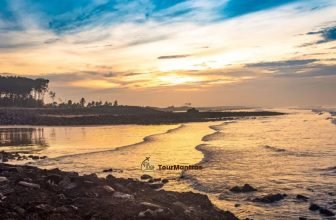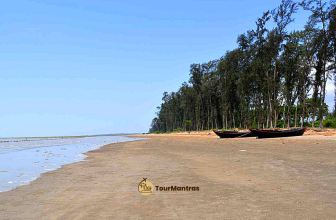
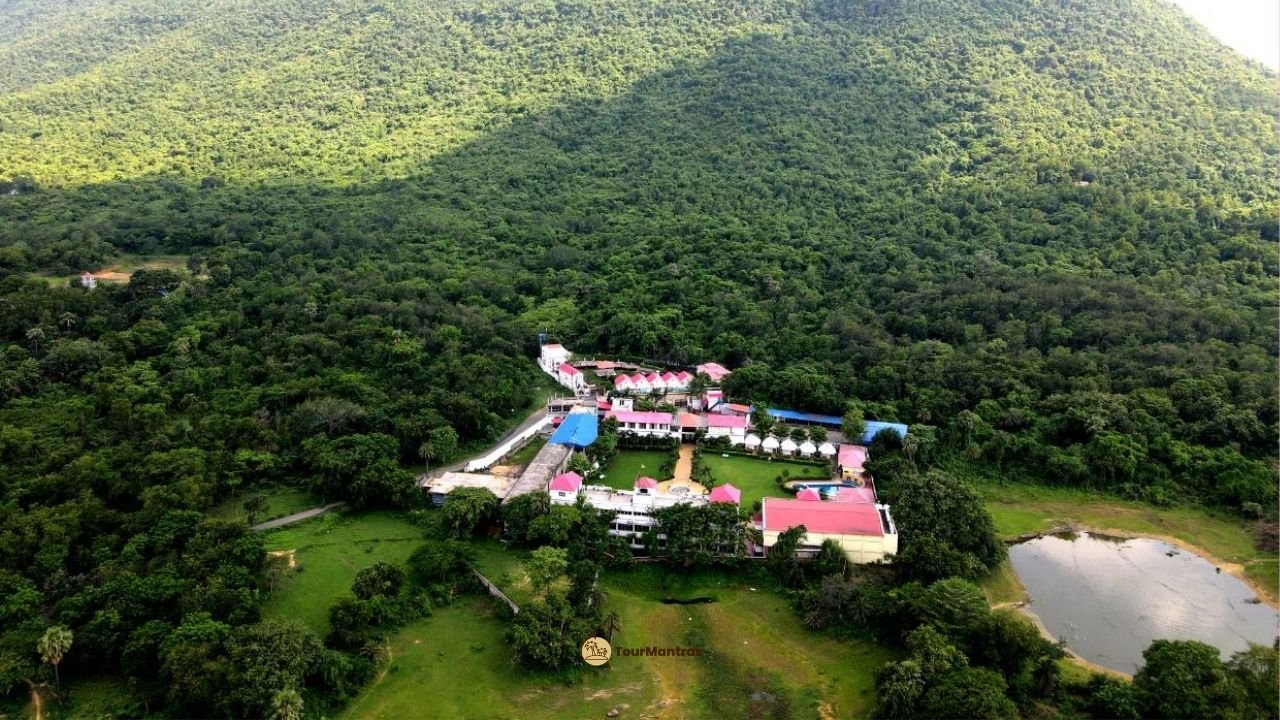
Kolkata never really sleeps. The trams clatter, the jhalmuri sellers haggle, and Durga Puja preparations begin before the last Eid fairy lights come down. It is an extraordinary city — but sometimes, even Kolkatans need to breathe. Bengal eco tourism has been building a quiet, compelling story for years. Most travellers outside West Bengal haven’t caught on yet. And honestly? That’s part of what makes it special.
So what is eco tourism in West Bengal, exactly? It is responsible, low-impact travel to natural areas that supports conservation and benefits local communities. In West Bengal, this plays out across an astonishing range of landscapes — UNESCO-recognised mangrove deltas, sal-forested plateaus, ancient fort ruins wrapped in creepers, tribal villages that have quietly protected their forests for centuries, and rhino-country grasslands in the Himalayan foothills. Sustainable tourism in West Bengal is not a policy buzzword here; it is a lived practice across dozens of eco resorts, community homestays, and forest bungalows managed by bodies like the West Bengal Forest Development Corporation (WBFDC).
Whether you are looking for eco tourism tour packages in West Bengal or simply want to plan your own getaway, this guide covers the best eco tourism destinations in West Bengal for nature lovers — from the tiger country of the Sundarbans delta to the red-soil hills of Purulia.
Before diving deep into places for Bengal eco tourism, please check out what you can expect in this article.
Bengal Eco Tourism at a Glance
- Region Covered: West Bengal — South Bengal delta, plateau belt, and North Bengal foothills
- Famous For: Mangrove forests, sal forests, waterfalls, ancient forts, tribal culture, and wildlife safaris
- Ideal For: Nature lovers, birdwatchers, families, photographers, solo travellers, and trekkers
- Best Time to Visit: October to March for most destinations; monsoon (July–August) for vivid greenery
- Top Eco Destinations: Sundarbans, Garh Panchkot, Jhargram, Jhilimili, Ayodhya Hills (Purulia), Dooars, Mukutmanipur, and Bethuadahari
- Top Experiences: Boat safaris, jungle treks, birdwatching, tribal village tours, camping, and waterfall hikes
- Nearest Travel Hubs: Kolkata, Siliguri, Asansol, Purulia, and Bankura
- Budget Range: ₹1,500–₹8,000 per person/day depending on destination and stay type
- Popular Activities: Wildlife spotting, camping, bonfire nights, village walks, photography, and cycling
- Nearest Airports: NSCBI Airport Kolkata (South Bengal) and Bagdogra Airport (North Bengal)
- Travel Tip: Carry insect repellent, cotton clothing for South Bengal, warm layers for the Dooars and North Bengal eco zones
Disclaimer: Prices are variable and subject to change based on season, operator, and availability.
Why You Must Add These Places to Your Bucket List for Bengal Eco Tourism
1) Sundarbans Eco Tourism — The Tide Country
No conversation about Bengal eco tourism begins anywhere other than this.
The Sundarbans — loosely meaning “beautiful forest” in Bengali — form the world’s largest tidal mangrove delta, straddling the border of India and Bangladesh. The Indian portion covers approximately 4,260 sq km across the South 24 Parganas district, and the Sundarbans National Park was declared a UNESCO World Heritage Site in 1987. Historically, these islands were sparsely settled fishing communities. The colonial British administered parts of the delta for timber and honey, while figures like Sir Daniel Hamilton, a Scottish businessman, attempted utopian land settlements on Gosaba Island in the early 20th century. The forest’s real custodians, though, were always the maulis — the honey-collectors who entered the forest with the blessing of Bonbibi, the goddess of the jungle.
Today, sustainable tourism in West Bengal finds one of its most evolved expressions in the Sundarbans, with solar-powered boat tours, community-led wildlife experiences, and bamboo-and-mud eco villages replacing older extractive models. That’s why Sundarban finds it place at the top for Bengal eco tourism.
Tourist Places in Sundarbans
- Sajnekhali Wildlife Sanctuary: Saltwater crocodiles, spotted deer, and over 200 bird species share this sanctuary with its famous forest museum.
- Sudhanyakhali Watch Tower: Your best realistic chance of spotting a Royal Bengal Tiger near the watering hole.
- Dobanki Canopy Walk: A 550-metre elevated walkway above the mangrove floor — genuinely thrilling.
- Netidhopani Temple Ruins: A 400-year-old temple accessible only by boat, slowly being reclaimed by jungle.
- Gosaba Island: Explore Hamilton’s early 20th-century settlement and the local Munda cultural life.
When to Visit Sundarbans
- October to March: Peak season; calm waters and the best likelihood of tiger sightings.
- Avoid June–September: Cyclone risk is high; most eco resorts close during this period.
How to Reach Sundarbans
- By Road + Ferry: Drive from Kolkata to Godkhali ferry ghat (approx. 3.5 hrs via Basanti Highway), then take a country boat to Gosaba.
- By Rail: Canning Station (Sealdah line) is the budget gateway; boats to Gosaba depart from there.
Where to Stay in Sundarbans
- Eco Village/Resort: Tour De Sundarbans Eco Village, Sundarbans Jungle Camp, Tiger Camp
- Budget Homestays: Gosaba village and Pakhiralay island offer simple, community-run stays
Food You Can Try in Sundarbans
Prawn malai curry and mud crab preparations are the defining local flavours. Village dhabas near Gosaba serve fresh fish with mustard sauce and hand-pounded rice in banana leaf — the kind of meal you remember for years.
Estimated Cost to Visit Sundarbans
| Trip Type | Cost (Per Person/Day) in INR |
|---|---|
| Budget trip (homestay + shared boat) | 1,800–2,500 |
| Mid-range eco stay | 3,500–5,000 |
| Premium houseboat package | 7,000–12,000 |
If you’re a nature lover and love exploring forests like Sundarban in West Bengal, check: Forest Trip Near Kolkata: 6 Exciting Jungle Escapes for a Worthy Weekend Break
2) Garh Panchkot Eco Tourism — Purulia’s Forgotten Fort Town
Buried in the hills of western Purulia lies one of Bengal eco tourism’s most underrated gems.
Garh Panchkot carries roughly 1,500 years of history in its stones. The Singhdeo dynasty — Rajput rulers originally from Rajasthan — made this fortified valley their capital, constructing the Panchkot Hill forts around 1600 AD. The ruins stand today as silent witnesses to two devastating Bargi (Maratha) raids in the 18th century that brought the kingdom’s last glory days to an abrupt close. There’s something deeply atmospheric about walking among these crumbling ramparts with nothing but birdsong for company.
The WBFDC established the Garhpanchkot Prakriti Bhraman Kendra in Bagmara village during the 1990s — one of the state’s earliest formal Bengal eco tourism ventures in the plateau region.
Tourist Places in Garh Panchkot
- Garh Panchkot Fort Ruins: The 1600 AD fort, now a hauntingly photogenic cluster of stone walls and ancient temple structures.
- Panchkot Hill Trekking Trail: Moderate ascent with sweeping views across the Damodar Valley.
- Panchet Dam: One of the four Damodar Valley Corporation dams, inaugurated in 1959 — tranquil waterscapes for sunset watching.
- Baranti Lake: A scenic reservoir roughly 15 km away, excellent for birdwatching and quiet picnics.
- Joychandi Pahar: A rocky hill popular with climbers; roughly 37 km from Garh Panchkot.
When to Visit Garh Panchkot
- October to February: Crisp evenings, clear skies, and pleasant trekking conditions.
- Monsoon (July–August): Forests turn intensely green; mist rolls dramatically over Panchkot Hill.
How to Reach Garh Panchkot
- By Rail: Adra Junction (approx. 36 km) and Ramkanali station (approx. 6.7 km) are the nearest railway heads.
- By Road: Approximately 210 km from Kolkata via NH-60; taxis widely available from Asansol or Durgapur.
Where to Stay in Garh Panchkot
- Eco Resorts: Garh Panchkot Eco Tourism Unit 1 & Unit 2 (privately managed, WBFDC partnership)
- Heritage Option: Kushal Palli Resorts in the vicinity
Estimated Cost to Visit Garh Panchkot
| Trip Type | Cost (Per Person/Day) in INR |
|---|---|
| Budget trip | 1,500–2,500 |
| Mid-range eco resort | 3,000–5,000 |
So, if you’re planning for a trip, consider Garh Panchkot as your destination for Bengal eco tourism.
3) Jhargram Eco Tourism — Where the Jungle Keeps Its Own Counsel
Jhargram is the kind of place that stays with you after you leave.
This south-western corner of West Bengal has a royal history that goes back to 1574 AD, when Man Singh I, the Mughal commander of Akbar’s court, appointed a Chauhan Rajput clan to govern this dense, tribal forested territory. The result was a dynasty that blended Rajput and local tribal culture over centuries. The Jhargram Raj Palace — a strikingly unusual combination of Italian and Islamic Gothic architecture — was built in 1931 under Raja Narasingha Malla Deb Bahadur, and today operates as a heritage hotel managed by the WBTDC.
For Jhargram eco tourism, though, it is the surrounding forest landscape — Kankrajhor, Belpahari, and the great Jhilli wetland — that defines the experience. The West Bengal Forest Department Corporation runs the Jhargram Prokriti Porjoton Kendro eco resort within the forest itself.
Tourist Places in Jhargram
- Jhilli Pakhiralaya (Bird Wetland): Thousands of migratory birds gather here seasonally in a quiet forest-fringed water body.
- Kankrajhor Forest: 9,000 hectares of hardwood trees — sal, teak, kusum, mahua — with tribal settlements whose Madal drumbeats drift across the canopy at nightfall.
- Chilkigarh Rajbari & Kanak Durga Temple: A 500-year-old temple within the Chilkigarh sacred grove, the third biodiversity heritage site in West Bengal (60 acres of near-climax forest along the Dulung River).
- Belpahari: Red laterite roads, rolling forested hills, and a sunrise that genuinely stops conversation.
- Kodopal Eco-Nest: An agro-tourism pilot project at the confluence of the Subarnarekha and Dulung rivers, where visitors try their hand at farming and ride bullock carts.
When to Visit Jhargram
- October to March: Best for birdwatching, tribal festivals, and forest walks.
- Monsoon: Waterfalls come alive; roads can be tricky, but the forest is extraordinary.
How to Reach Jhargram
- By Rail: Jhargram Station sits on the Howrah–Mumbai main line — just 2.5 to 3 hours from Howrah.
- By Road: Approximately 170 km from Kolkata via NH-6; well-maintained road throughout.
Where to Stay in Jhargram
- Eco Resort: Jhargram Prokriti Porjoton Kendro (WBFDC-managed, inside the forest)
- Heritage Hotel: Jhargram Raj Palace Heritage Hotel (for a royal-meets-forest combination)
Estimated Cost to Visit Jhargram
| Trip Type | Cost (Per Person/Day) in INR |
|---|---|
| Budget/homestay | 1,500–2,000 |
| Heritage eco stay | 3,500–6,000 |
4) Jhilimili Eco Tourism — The Darjeeling of South Bengal
This one is another top option for Bengal eco tourism.
Jhilimili sits at the tri-district meeting point of Bankura, Purulia, and Midnapore — and it is called “the Darjeeling of South Bengal” not because it resembles that famous hill station in any conventional sense, but because its hilly, forested terrain is so rare for this part of the state that it genuinely surprises visitors. The name translates as “sparkling” or “twinkling” in Bengali. Once you are standing inside the Baro Mile forest (also known as Sutan forest), watching morning light fractured through an unbroken canopy of sal, mahua, and shimul trees, you understand the name entirely.
You may also explore Darjeeling, full of such offbeat tourist places.
Jhilimili eco tourism is organised around the Bankura forest division, where the Kangsabati River curves through the trees and the micaceous soil catches the light at odd angles. Santhal tribal communities have lived with this forest for generations, and their traditions — particularly the winter Tusu festival — give Jhilimili eco tourism a cultural depth that many other destinations lack.
Tourist Places in Jhilimili
- Baro Mile Forest (Sutan Forest): 12 miles of near-unbroken forest along a winding road — migratory elephants come down from Dalma Hills in winter; do not miss the watchtower.
- Jhilimili Watchtower: A 360-degree panorama of the green horizon; the best perch for elephant-spotting.
- Kangsabati River Banks: Shallow, clear water and quiet riverbanks — a perfect spot for picnics and feet-in-the-water moments.
- Sutan Lake: 7 km inside the forest range; excellent for resident and seasonal birdlife, including peacocks.
- Santhal Village Walks: Mud-walled houses decorated with intricate floral paintings; a window into a forest-dependent way of life.
When to Visit Jhilimili
- November to February: Migratory birds arrive; forest trails are dry and accessible; elephants are visible from the watchtower.
- Monsoon: Vivid, immersive greenery — but paths become muddy and some routes close.
How to Reach Jhilimili
- By Rail: Jhargram Station (JGM) or Bankura Station (BQA); hire a cab to Jhilimili (approximately 70 km from Bankura).
- By Bus: SBSTC buses from Esplanade, Kolkata, depart for Jhilimili via Bankura at 2:20 PM daily.
Where to Stay in Jhilimili
- Eco Resort: Rimil Eco Tourism — Swiss tents, treehouses, and forest cottages; excellent for birdwatchers
- Forest Rest House: Basic but atmospheric; book through the Bankura Forest Division office
Estimated Cost to Visit Jhilimili
| Trip Type | Cost (Per Person/Day) in INR |
|---|---|
| Budget trip | 1,200–2,000 |
| Mid-range eco stay (Rimil) | 2,500–4,000 |
5) Purulia Eco Tourism — Ayodhya Hills Circuit
Bengal eco tourism in Purulia is told in red soil, Chhau dance masks, and the thunder of Bamni Falls.
Purulia is the westernmost district of West Bengal, perched at the edge of the Chota Nagpur Plateau where the Subarnarekha and Kangsabati rivers begin their journeys eastward. Historically part of the Manbhum district under British rule, it was only incorporated into West Bengal in 1956. Long before the boundary commissions arrived, this was the territory of the Santhals, Mundas, and Bhumij — communities who worshipped their forests as living entities. That reverence shapes how Purulia eco tourism operates today, with tribal cultural tourism woven seamlessly into every itinerary.
At roughly 677 metres, the Ayodhya Hills circuit is the crown of Purulia eco tourism. Waterfalls cascade through sal and kendu forests, and the Blue Lake (locally called Marble Lake) sits in an eerie, gorgeous stillness at the base of Bamni Falls. You may also check out these mountain holiday spots, like Ayodhya Hills near Kolkata and West Bengal.
Tourist Places in Ayodhya Hills (Purulia)
- Bamni Falls: A tiered waterfall descending through dense forest — most spectacular in the weeks following the monsoon.
- Turga Falls and Turga Dam: A valley setting of quiet power; the dam’s edge is one of the finest sunrise spots in the district.
- Marble Lake (Blue Lake): A natural lake with an arresting blue-green colour, ringed by low forested hills.
- Charida Village: The renowned Chhau mask village, where virtually every household crafts the painted masks for the UNESCO-recognised Chhau dance tradition.
- Murguma Dam: A peaceful reservoir at the base of the hills, with boating available during the winter months.
For all these reasons, Purulia is a top contender for Bengal eco tourism.
When to Visit Purulia
- October to February: Dry, cool, and ideal for waterfall treks and hill walks.
- Monsoon (July–August): Waterfalls at full fury; Purulia in the rains is genuinely cinematic, though roads need care.
How to Reach Purulia
- By Rail: Purulia Junction (South Eastern Railway); direct trains from Kolkata take approximately 5–6 hours.
- By Road: Approximately 330 km from Kolkata via NH-32.
Where to Stay in Purulia (Ayodhya Hills)
- Eco Resorts: Bon Polashi Eco Hut (Murguma), Shreebhumi Eco Tourism (Baranti), Tulin Bungalow
- Government Lodge: WBFDC Prakriti Bhraman Kendra, Ajodhya Hills
Food You Can Try in Purulia
Try chhatu (roasted gram flour) preparations, bamboo shoot dishes, and pitha (rice cakes) from tribal households. The local mutton curry cooked on wood fires is a weekend staple at most eco resorts.
Estimated Cost to Visit Purulia — Ayodhya Hills
| Trip Type | Cost (Per Person/Day) in INR |
|---|---|
| Budget trip | 1,500–2,500 |
| Mid-range eco resort | 3,000–5,000 |
6) Dooars Eco Tourism — Doors to the Wild North
The name says it all. “Dooars” means doors — the multiple gateways into Bhutan and the north-eastern states that dot this forested belt of North Bengal. Step through, and the forest does not let you go easily.
Dooars stretches across roughly 130 km by 40 km between the Teesta River in the west and the Sankosh in the east, spanning Jalpaiguri and Alipurduar districts. The British arrived here for tea and timber in the 19th century, but what they found was one of the most biodiverse regions in Asia. Gorumara National Park, Jaldapara National Park, Chapramari Wildlife Sanctuary, and the Buxa Tiger Reserve together form a continuous green arc — and together, they represent Bengal eco tourism at its most dramatic.
One-horned rhinoceroses are a relatively routine sight here. For all these reasons, Dooars is a top choice for Bengal eco tourism.
Tourist Places in Dooars
- Gorumara National Park: Rhinos, elephants, gaur, and leopards; superb watchtower viewing platforms like Rhino Point and Chandrachur.
- Jaldapara National Park: West Bengal’s largest single population of one-horned rhinos; elephant-back safaris available in season.
- Chilapata Forest: A dense wildlife corridor linking Gorumara and Jaldapara, managed by WBFDC with eco camp facilities.
- Suntalekhola and Jhalong: Riverside camping along the Jaldhaka River — among the finest forest stays in Bengal eco tourism.
- Chalsa: The “Queen of Dooars” — a market town flanked by wildlife sanctuaries, ideal for tea garden cycling and local market browsing.
- Bindu: West Bengal’s last village near the Bhutan border, set among cardamom plantations and views of the Jaldhaka River.
When to Visit Dooars
- November to April: Prime wildlife season; rhinos are easily spotted near waterholes.
- July–September: Lush monsoon forest; some national parks restrict access — check before booking.
How to Reach Dooars
- By Air: Bagdogra Airport; then 2–3 hours by road to most Dooars destinations.
- By Rail: New Jalpaiguri (NJP) or Malbazar stations; shared cabs and taxis available.
- By Road: Approximately 570 km from Kolkata via NH-12; excellent for a long weekend road trip.
Where to Stay in Dooars
- Eco Resorts: Bodaganj Eco Tourism Centre (WBFDC), Suntalekhola Jungle Camp, Jhalong River Camp
- Tea Estate Stays: Batabari Tea Estate bungalow and other heritage colonial tea residences
Estimated Cost to Visit Dooars
| Trip Type | Cost (Per Person/Day) in INR |
|---|---|
| Budget trip | 1,800–3,000 |
| Eco/tea estate stay | 4,000–8,000 |
7) Mukutmanipur Eco Tourism — Where Two Rivers Meet the Forest
There are places in Bengal eco tourism that stop you mid-sentence. Mukutmanipur is one of them.
Situated in the Khatra subdivision of Bankura district, Mukutmanipur sits at the confluence of the Kangsabati and Kumari rivers, and the dam built across them in 1955 created one of the largest earthen dams in Asia at the time, spanning nearly 6 km in length. The surrounding landscape is a breathtaking sweep of forested hills, red laterite soil, and the silver mirror of the reservoir. In spring, the entire area erupts in a blaze of Palash (flame-of-the-forest) blossoms — an annual explosion of orange-red that locals celebrate as the Palash Utsab, their own version of Holi with nature.
Historically, this was the tribal heartland of the Santhals and Bhumij communities of western Bankura. The forests here were sacred, not simply economically useful, and that relationship between people and land is what gives Mukutmanipur its particular quietness. Sustainable tourism in West Bengal found an early anchor here, with the WBFDC and local operators developing forest stays, boating, and cultural tourism that kept the community at the centre. If you are looking for quieter and offbeat places like Mukutmanipur near Kolkata, read this blog: 21 Best Offbeat Tourist Spots Near Kolkata Worth Adding to Your Bucket List
Tourist Places in Mukutmanipur
- Kangsabati and Kumari Dam (Mukutmanipur Reservoir): Boating on the vast reservoir at sunrise is one of the defining Bengal eco tourism experiences in the plateau belt.
- Ambikantghar Watch Tower: A forest watchtower overlooking the reservoir and surrounding woodlands; excellent for early morning birding.
- Susunia Hill: A 440-metre rocky hillock roughly 50 km from Mukutmanipur with ancient rock inscriptions and a sacred spring; a popular half-day excursion.
- Bishnupur: The famous terracotta temple town lies around 55 km away — a logical extension to any Mukutmanipur itinerary.
- Palash Forests: Come between February and March; the Palash-covered hillsides are one of the most photographed seasonal spectacles in Bengal eco tourism.
When to Visit Mukutmanipur
- October to March: Pleasant weather, clear water on the reservoir, and ideal for birdwatching.
- February–March: The Palash bloom transforms the hills — do not miss it.
- Monsoon (July–August): The forest deepens in colour; the reservoir fills dramatically; roads are generally good.
How to Reach Mukutmanipur
- By Rail: Bankura Station (BQA) is the nearest major railhead, approximately 55 km away; regular trains from Kolkata (Howrah and Santragachi).
- By Road: Approximately 240 km from Kolkata via NH-16 and Bankura; taxi hire from Bankura town is the most convenient option.
Where to Stay in Mukutmanipur
- Eco Resorts: WBFDC’s Mukutmanipur Nature Camp; several private forest cottages on the reservoir edge
- Budget Options: PWD inspection bungalow and local guesthouses in Mukutmanipur town
Food You Can Try in Mukutmanipur
Freshwater fish curry with mustard is the local staple — the reservoir fish here is particularly flavoursome. Pitha (rice cakes) made by Santhal families during the Tusu festival, and handia (rice beer) at tribal cultural evenings, are experiences worth seeking out.
Estimated Cost to Visit Mukutmanipur
| Trip Type | Cost (Per Person/Day) in INR |
|---|---|
| Budget trip | 1,200–2,000 |
| Mid-range eco resort | 2,500–4,500 |
8) Bethuadahari Eco Tourism — Bengal’s Pocket-Sized Wildlife Sanctuary
Not every great Bengal eco tourism experience demands a long journey or rugged terrain. Sometimes, 67 hectares is enough.
Bethuadahari Wildlife Sanctuary sits in the Nakashipara area of Nadia district, beside the old NH-34 (now NH-12), roughly 22 km north of Krishnanagar and about 120 km from Kolkata.
The surrounding region carries deep historical resonance — Nadia was the birthplace of Sri Chaitanya Mahaprabhu in the 15th century and the intellectual centre of Bengal’s Vaishnava movement, while nearby Palashi (Plassey) is where the decisive 1757 battle tipped the subcontinent towards British colonial rule. The sanctuary itself began as a humble deer park in 1969, before the state government formalised it as a wildlife sanctuary in 1980 to preserve a surviving pocket of the central Gangetic alluvial ecozone — one of the most ecologically distinct and most threatened habitat types in the entire Ganga plains.
What makes Bethuadahari genuinely interesting for Bengal eco tourism is precisely its compactness. The density of wildlife per hectare here is striking, and both the Brandis Trail and the Salim Ali Trail — the two named nature walks within the sanctuary — move through forest thick enough to make the outside world entirely disappear.
Tourist Places in and Around Bethuadahari
- Brandis Trail and Salim Ali Trail: The sanctuary’s two dedicated nature trails for guided forest walks; chital deer graze calmly along both routes, sometimes within a few metres of the path.
- Gharial Rehabilitation Centre: A functioning conservation centre housing a family of gharials — a critically endangered, long-snouted crocodilian species — within the sanctuary grounds.
- Nature Interpretative Centre: An on-site educational facility with displays on the Gangetic alluvial ecosystem; excellent for families with children.
- Mayapur ISKCON Temple Complex: Just 30 km away, the grand ISKCON temple on the Bhagirathi riverbank is one of the largest Vaishnava pilgrimage sites in the world — a natural add-on to any Bethuadahari trip.
- Krishnanagar: 22 km south; famous for its clay artisans (particularly the Krishnanagar clay dolls tradition) and the old Rajbari palace.
When to Visit Bethuadahari
- November to February: Cool weather, active birdlife, and the best conditions for spotting spotted deer along the trails.
- March to May: Birdwatching remains excellent; the forest is drier and easier to walk.
- Avoid peak monsoon: The trails can get waterlogged, and wildlife movement shifts deeper into cover.
How to Reach Bethuadahari
- By Rail: Bethuadahari Station sits on the Sealdah–Lalgola branch line (the Ranaghat–Lalgola extension opened in 1905); regular trains from Sealdah take approximately 2.5–3 hours.
- By Road: Approximately 120 km from Kolkata via NH-12; roughly 2.5 hours by car. Bethuadahari is located directly beside the highway, making it one of the most accessible Bengal eco tourism destinations in the state.
Where to Stay in Bethuadahari
- Forest Rest House: The Forest Department rest house inside the sanctuary; basic but atmospheric, and the closest stay to the wildlife.
- Krishnanagar Hotels: A range of mid-range and budget hotels in Krishnanagar town (22 km) for those who prefer more comfort.
- Nearby Option: Mayapur guesthouses and ashram accommodation for visitors, combining the sanctuary with the pilgrimage site.
Food You Can Try Near Bethuadahari
Nadia district has its own culinary identity. Try the iconic Krishnanagar sarpuria (a delicate milk-based sweet), lyangcha (deep-fried syrup-soaked sweetmeat from nearby Shaktigarh), and freshwater fish preparations using the region’s catch from the Bhagirathi and Jalangi rivers.
Estimated Cost to Visit Bethuadahari
| Trip Type | Cost (Per Person/Day) in INR |
|---|---|
| Budget day trip from Kolkata | 800–1,500 |
| Overnight with forest stay | 1,500–2,500 |
So if you’re planning for an eco trip, do consider Bethuadahari as a spot for Bengal eco tourism.
Which are the Best Eco Tourism Tour Packages West Bengal?
A variety of Bengal eco-tourism packages are available. If you prefer a curated experience, a wide range of eco tourism tour packages in West Bengal are available through the West Bengal Tourism Development Corporation (WBTDC) and private operators.
A typical 3-night Sundarbans eco package starts from INR 6,500–9,000 per person (all-inclusive with meals and boat safaris). A combined Purulia–Garh Panchkot circuit runs INR 7,000–12,000 per person for 3 nights. Dooars wildlife packages with eco resort or tea bungalow accommodation generally start at INR 10,000–₹18,000 per person for 4 nights, including jungle safaris.
Disclaimer: Package prices vary significantly across operators and seasons. Always confirm inclusions, cancellation terms, and local community contributions before booking.
Final Thoughts — Bengal Eco Tourism Is Not a Trend. It’s a Choice.
West Bengal is a state with a multitude of tourism options. Out of these, Bengal eco tourism is trending these days. The Sundarbans did not market themselves into a UNESCO listing; they earned it through sheer ecological magnificence. Garh Panchkot did not need a PR campaign; 1,500 years of history speak without a microphone. Jhilimili did not rebrand itself as “eco chic” — the Santhal communities there have practised sustainable forest living for generations before the phrase existed.
That, ultimately, is what separates Bengal eco tourism from the curated wilderness experiences elsewhere in India. The authenticity is unforced. The history is real. The forests are genuinely wild.
So, pack light. Go with curiosity. Leave the place better than you found it. That is, after all, the only rule that really matters in eco tourism anywhere — and the best travellers to Bengal have always understood it instinctively.
What People Also Ask on Bengal Eco Tourism
1) What is eco tourism in West Bengal?
Eco tourism in West Bengal is responsible, nature-based travel that focuses on conservation, minimal environmental impact, and direct benefits to local communities. Bengal eco tourism covers habitats as varied as mangrove deltas, sal-forested plateaus, and sub-Himalayan grasslands, managed by bodies including WBFDC, WBTDC, and village-level community organisations.
2) Which is the best Bengal eco tourism destination for first-time visitors?
The Sundarbans is the most iconic and logistically straightforward starting point, with structured boat safaris and eco village stays. If you prefer forests and history over water-based travel, Garh Panchkot (Purulia) or Jhargram offers an excellent first experience of Bengal eco tourism.
3) Are Bengal eco tourism destinations family-friendly?
Yes, most tourist spots for Bengal eco tourism are suitable for families. Garh Panchkot, Jhilimili, and the Dooars are particularly well-suited for families, with safe trekking trails, eco resort facilities, and cultural activities suitable for all ages.
4) What are the best eco tourism tour packages in West Bengal?
WBTDC, Jungle Trails, and multiple Kolkata-based tour operators offer packages for Bengal eco tourism. This includes Sundarbans, Purulia (Ayodhya Hills), and Dooars. Costs start from approximately ₹6,500 per person for 3 nights, inclusive of accommodation, meals, and guided tours. Prices are variable — compare across operators before booking.
5) What is the best time to explore Bengal’s eco tourism spots?
October to March is the safest and most comfortable window across most destinations. However, the monsoon (July–September) transforms destinations like Purulia, Jhilimili, and Jhargram into extraordinary, verdant escapes — though river conditions and forest road access require advance checking.
6) Is sustainable tourism in West Bengal growing?
Bengal eco tourism is booming. The state government has invested in WBFDC eco resorts, community homestay schemes, and nature interpretation centres across Bengal eco tourism zones. Solar energy, single-use plastic bans, and community revenue-sharing are increasingly standard at credible eco properties across the state.

The Chief Editor of TourMantras is a digital marketing professional, but also a travel enthusiast at the same time. He loves researching the latest tourist destinations in India or abroad and visiting them in person when possible. After that, he loves posting them on our website just to satisfy his passion and provide accurate information to travellers.